Home Blog Page 19

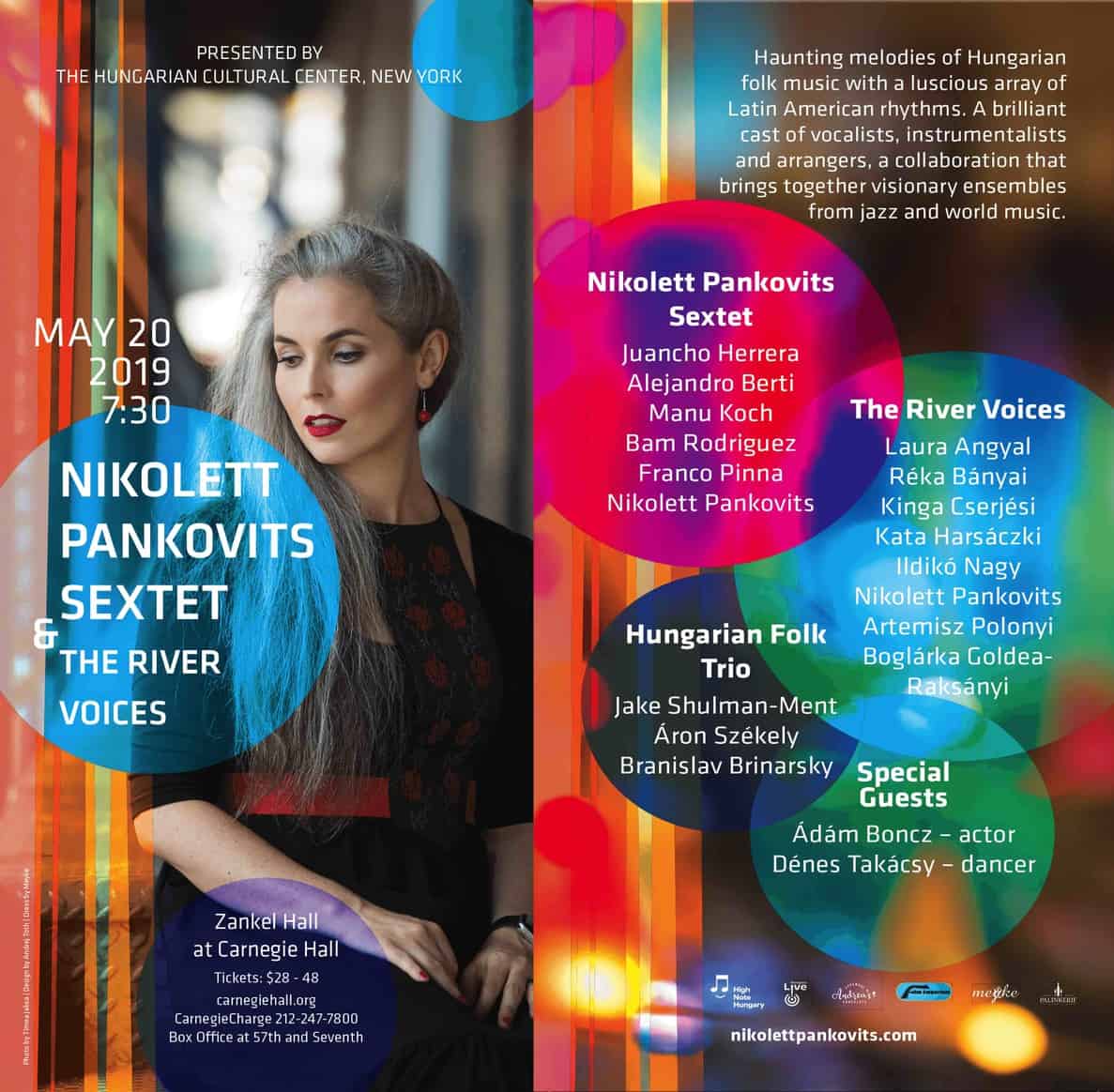
Nikolett Pankovits Sextet & The River Voices

May 20, 2019, 7:30 pm
Carnegie Hall – Zankel Hall

We would like to invite you to an upcoming Hungarian musical production featuring the Nikolett Pankovits Sextet and The River Voices, which will have its premiere on May 20, 2019 at Carnegie Hall’s Zankel Hall. 

We are thrilled to present eighteen Hungarian and American artists from New York and the tri-state area who are all devoted to Hungarian folk music and culture: 8 folk singers, 6 jazz musicians, 3 folk instrumentalists, a folk dancer and an actor will collaborate on this event.

After the Nikolett Pankovits Sextet’s great success in high prestigious venues such as Lincoln Center, Blue Note Jazz Club and Joe’s Pub, we are very excited to present our extended line up and new repertoire at the Carnegie Hall.

One part of the concert will showcase authentic folk music as originally orchestrated for violin, viola, bass and voice. The other part of the event will have jazz, Latin and world music arrangements of folk songs. The basic framework of the concert is the dialects of Hungarian folk music as established by Béla Bartók.

Admission:
Tickets can be purchased online:

https://www.carnegiehall.org/Calendar/2019/05/20/Nikolett-Pankovits-Sextet–The-River-Voices-0730PM

OR

Please let us know the amount of tickets you request: pankovitsniki@gmail.com

We look forward to seeing you at the Carnegie Hall!

Have a nice day,
Nikolett Pankovits
www.nikolettpankovits.com

The Performers:

The River Voices:
Laura Angyal | Gorondi Réka | Kinga Cserjési | Harsaczki Katalin | Ildiko Nagy | Nikolett Pankovits | Artemisz Polonyi | Boglárka Raksányi

Nikolett Pankovits Sextet:
Nikolett Pankovits – voice | Alejandro Berti – trumpet | Juancho Herrera – guitar | Manu Koch – piano | Bam Rodriguez – upright bass | Franco Pinna – drums

Hungarian folk trio:
Jake Shulman-Ment – violin | Aron Szekely – viola | Branislav Brinarsky – upright bass

Special guests:

Adam Boncz – actor
Denes Takacsy – dancer

Thanks to our sponsors: 

Hungarian Cultural Center, New York
Elizabeth Rajec
Dr Erno L. Hollo and Mrs Iren Hollo
American Hungarian Folklore Centrum
Hungary Live Festival, New York
Esther Kando Odescalchi
Meyke Fashion
Palinkerie
Andrea’s Chocolate
Event insurance provided by Film Emporium Insurance Brokers

Reklám
Tas J Nadas, Esq

The appropriation of a Hungarian military cemetery

The local administration of the town of Dărmănești/Dormánfalva has recently taken ownership of a Hungarian military cemetery in neighbouring Harghita county, under dubious circumstances. The cemetery located in Valea Uzului/Úzvölgye (Valley of Uz) was the site of several battles during World War I and II, and many Hungarian and German soldiers are buried there. The cemetery has come to be almost like a place of pilgrimage, not only for Hungarians living in Transylvania, but for all Hungarians.

Officials from Dărmănești/Dormánfalva have already put up numerous crosses made of concrete next to the wooden crosses put up on the graves, and they have also erected a monument in memory of the Romanian soldiers that fought in World War II. András Gergely, mayor of Sânmartin/ Csíkszentmárton (a nearby village) said that the war cemetery figures in the inventory of the village led by him, which was reinforced by a 2010 government decree. He also added that the cemetery was founded in 1917 for the Austro-Hungarian troops that died there, with most of the soldiers buried there belonging to the 10th regiment from Miskolc (Hungary), the majority of whom were Hungarians.

The site in question has been the source of discord for several years between the local administrations of Dărmănești/Dormánfalva in Bacău county and Sânmartin/ Csíkszentmárton in Harghita county, but a 1968 law clearly states that the valley belongs to the latter. Nevertheless, attempts by Harghita county officials to impede the appropriation of the cemetery through legal means have so far failed. The issue also has a diplomatic dimension, given that in a 2008 government decree signed by both the Hungarian and the Romanian government, they mutually agreed to consult one another before modifying each other’s military cemeteries.

The issue sparked huge outrage among the Hungarian community in Romania, for whom the cemetery in Valea Uzului/Úzvölgye is a place of national remembrance. These changes made to the cemetery, which can be qualified as nothing short of a vicious and immoral appropriation, are moving forward under the guise of “refurbishment”, and sadly, thus far, no legal or diplomatic solution has been found.

Source: Mikó Imre Legal Service / Newsletter no. VI/6/05.01.2019.

Reklám
Tas J Nadas, Esq

Biggest Easter Food Basket Blessing of the World

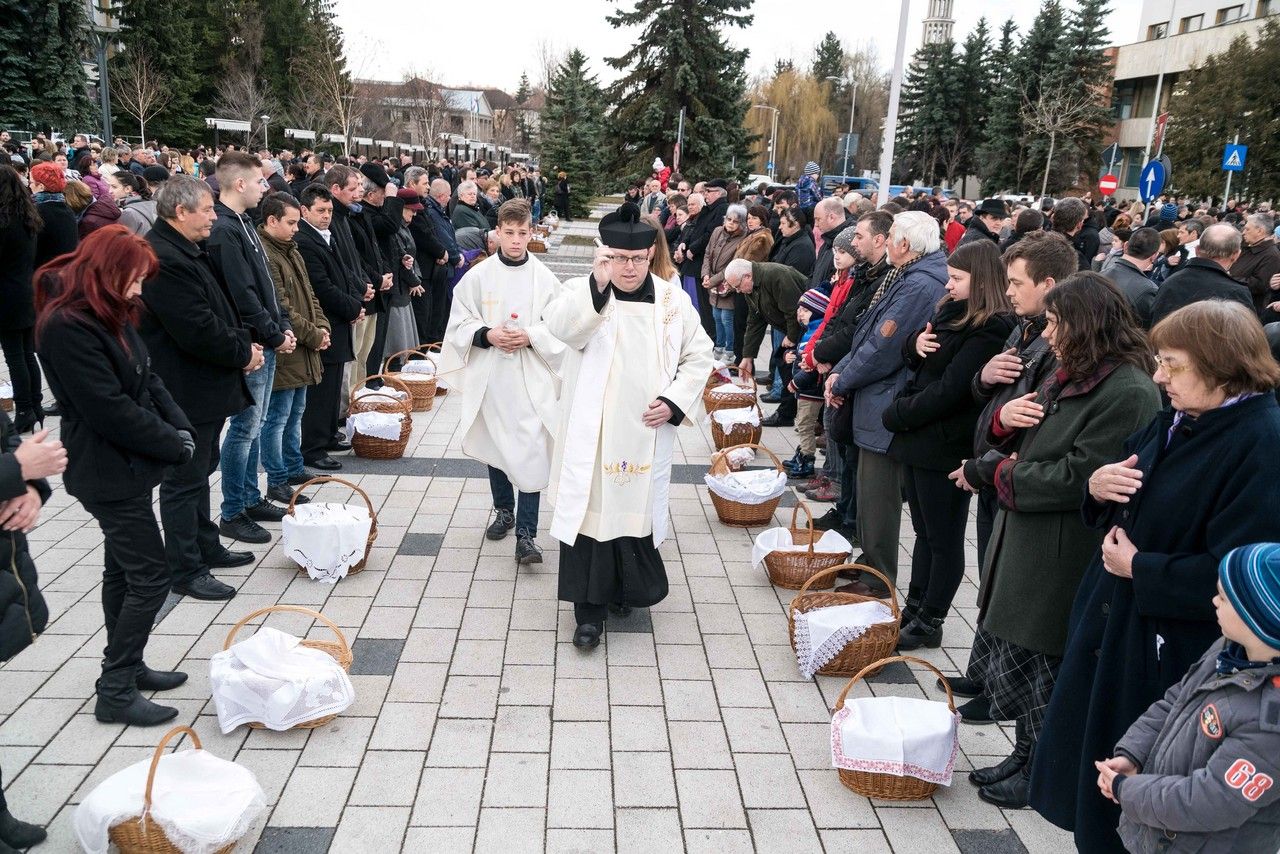
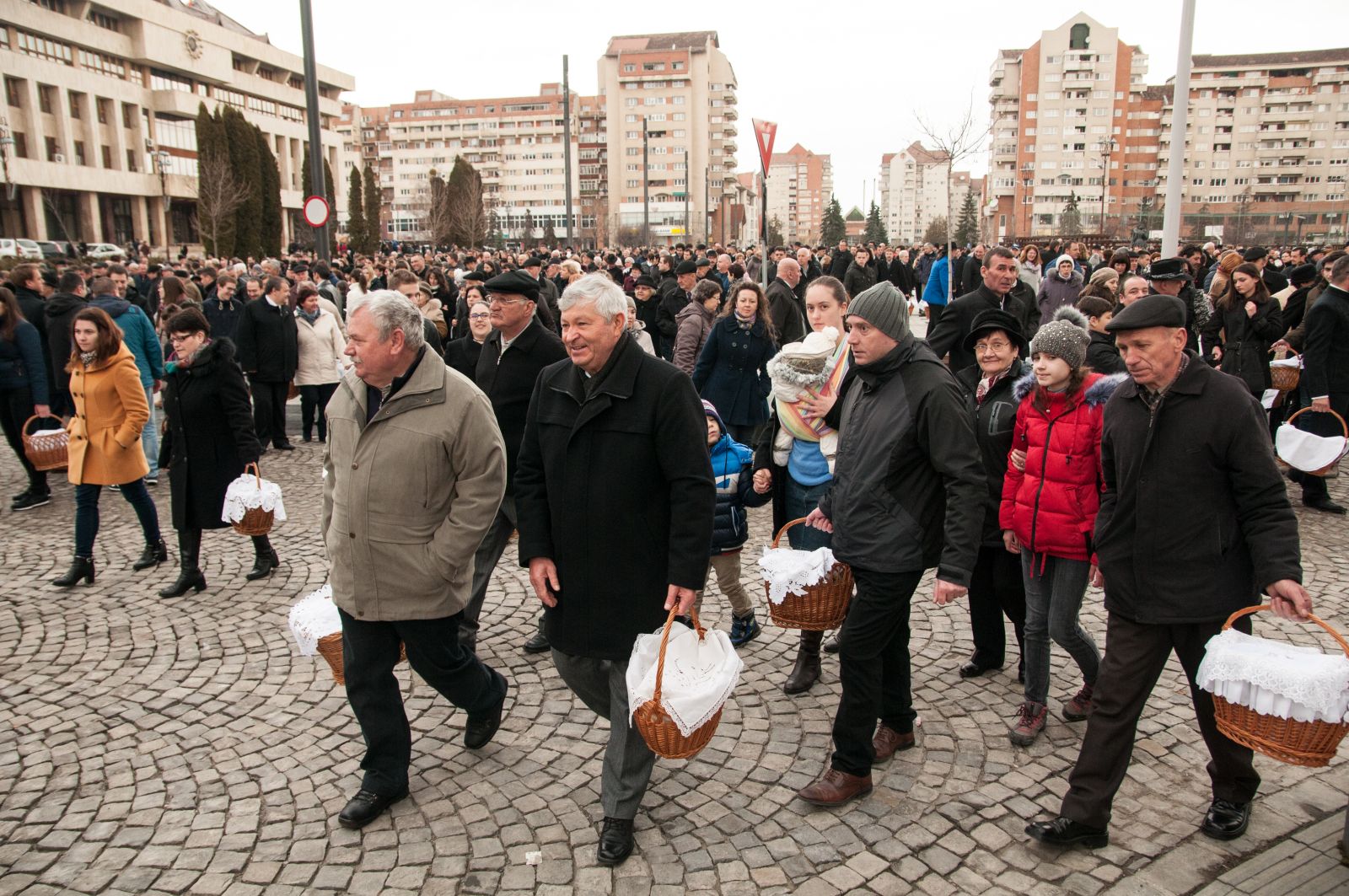
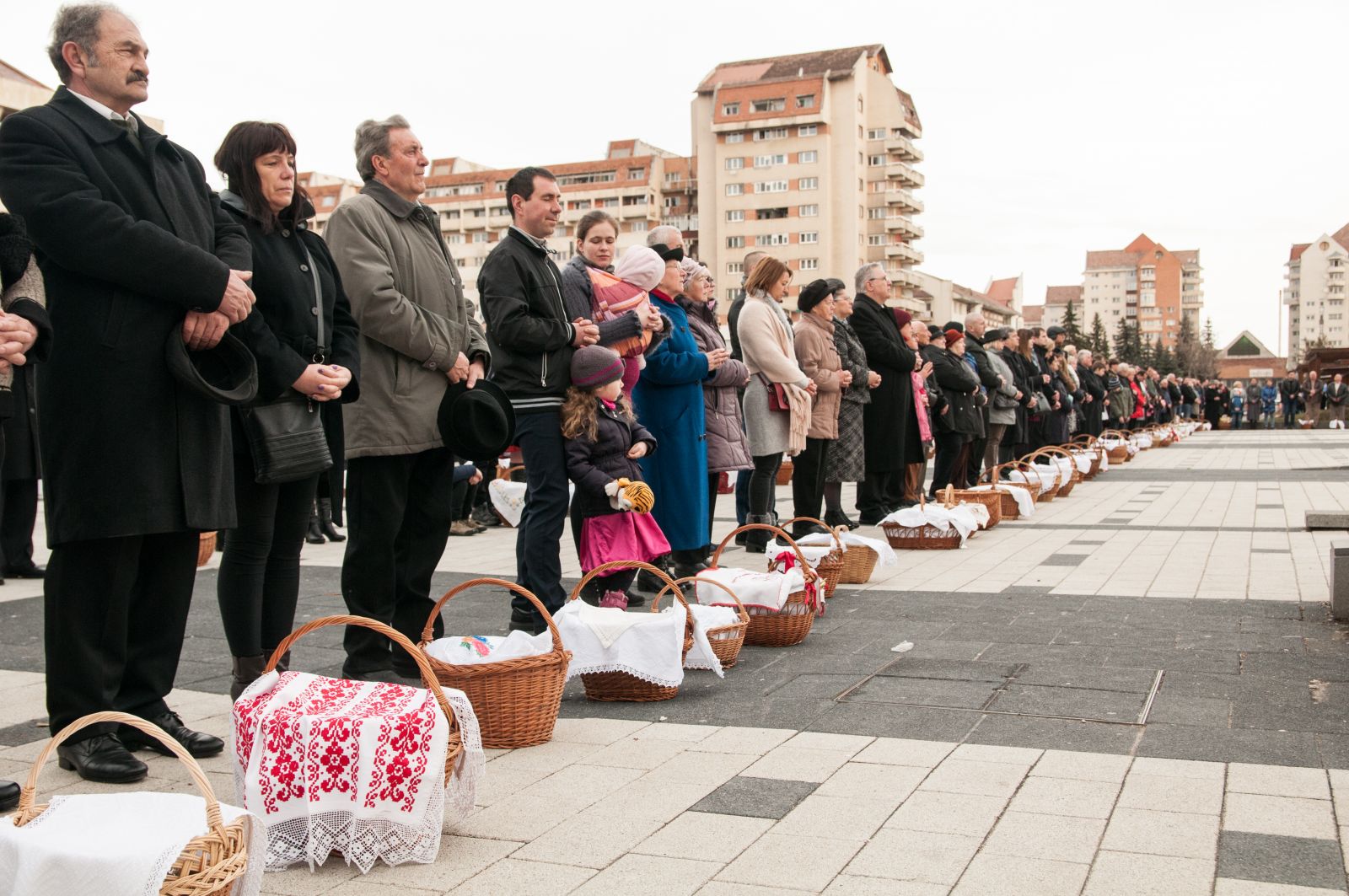
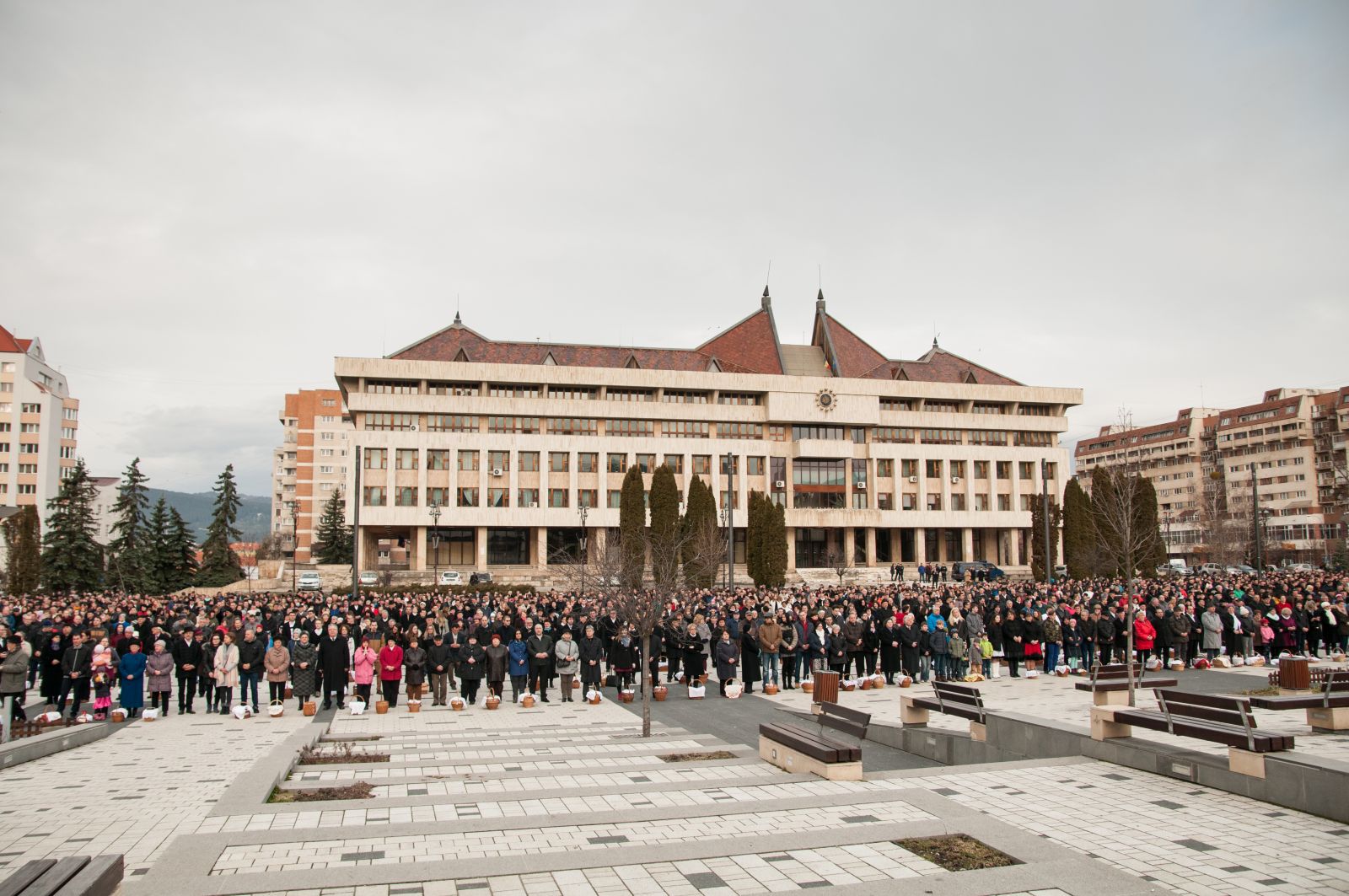
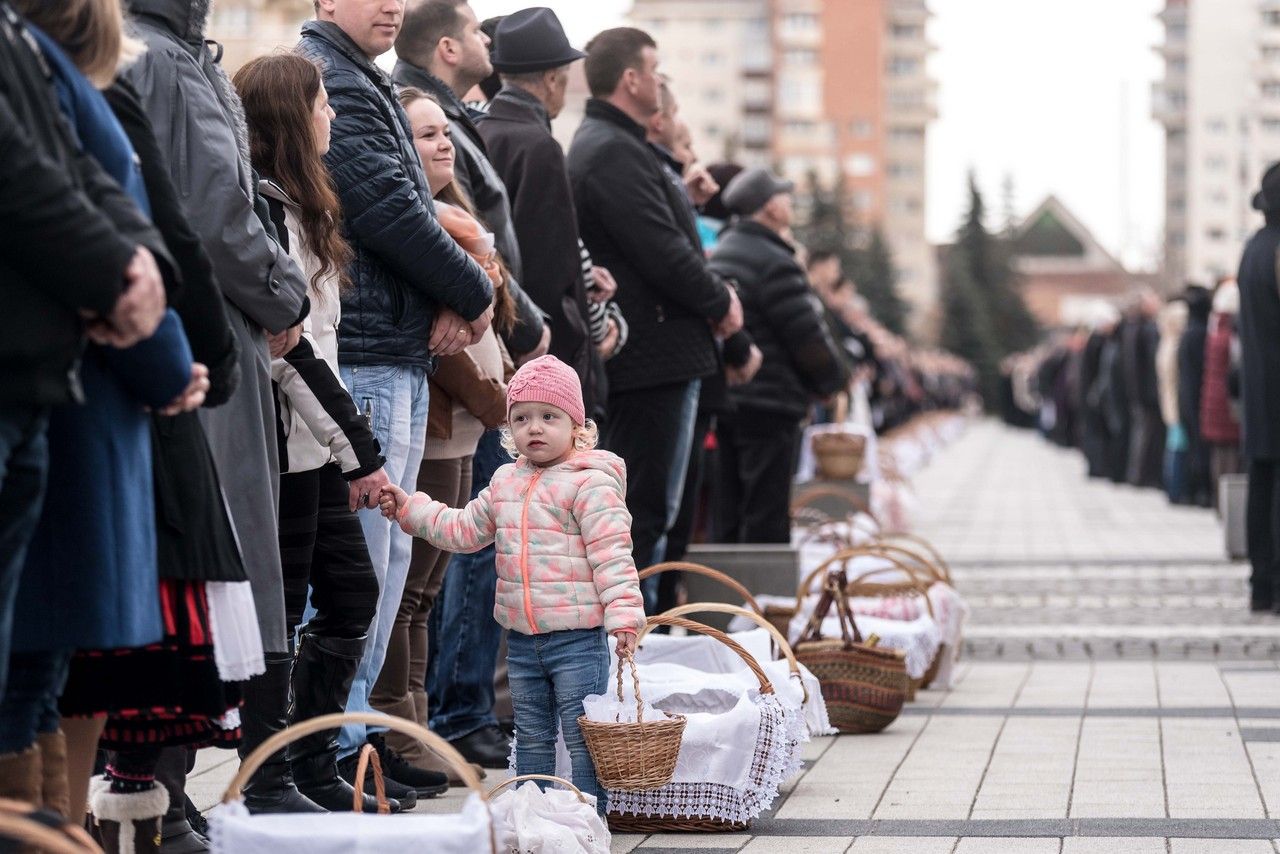
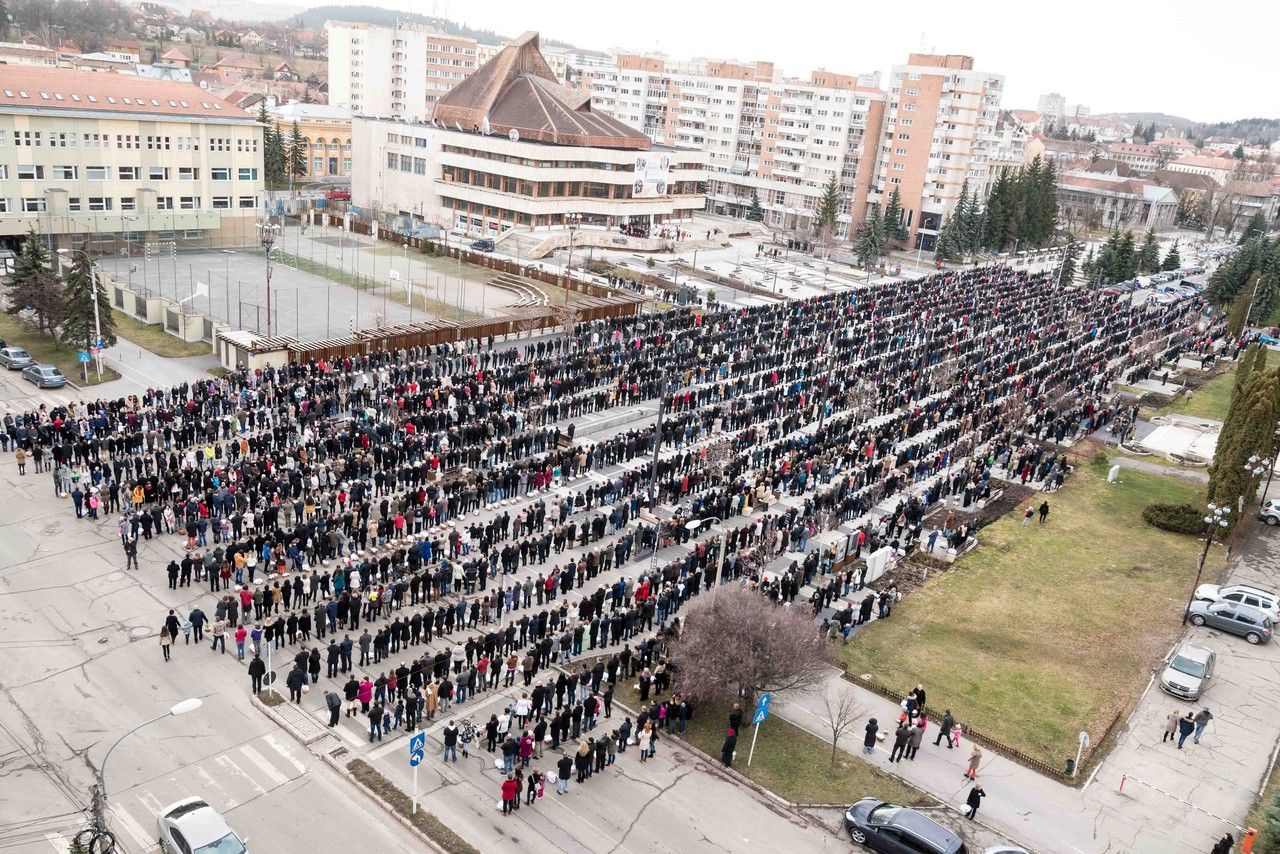
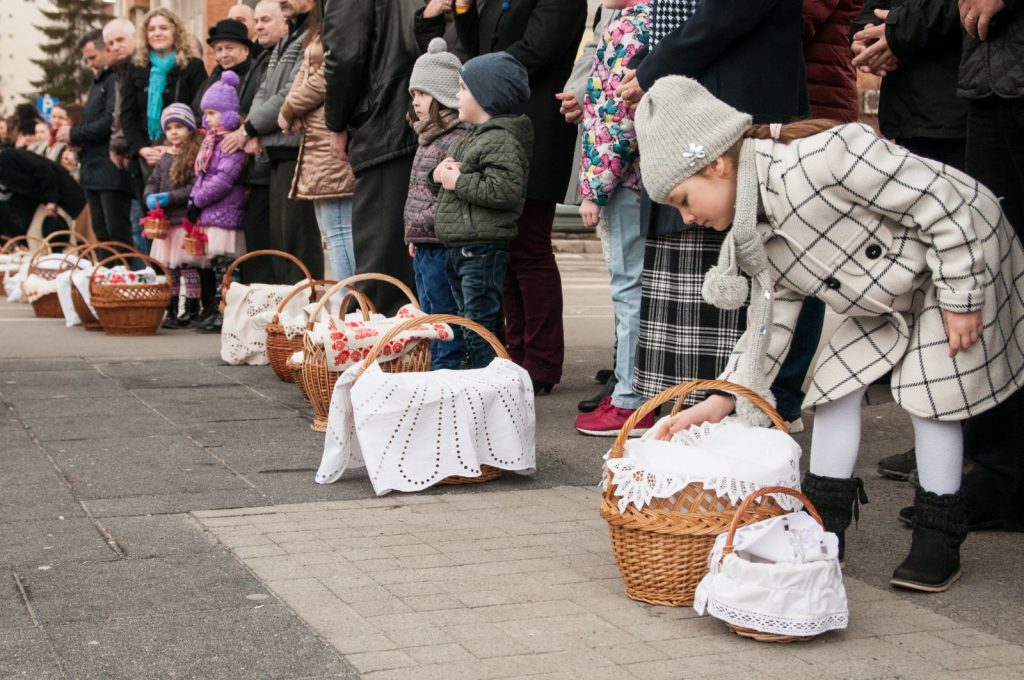
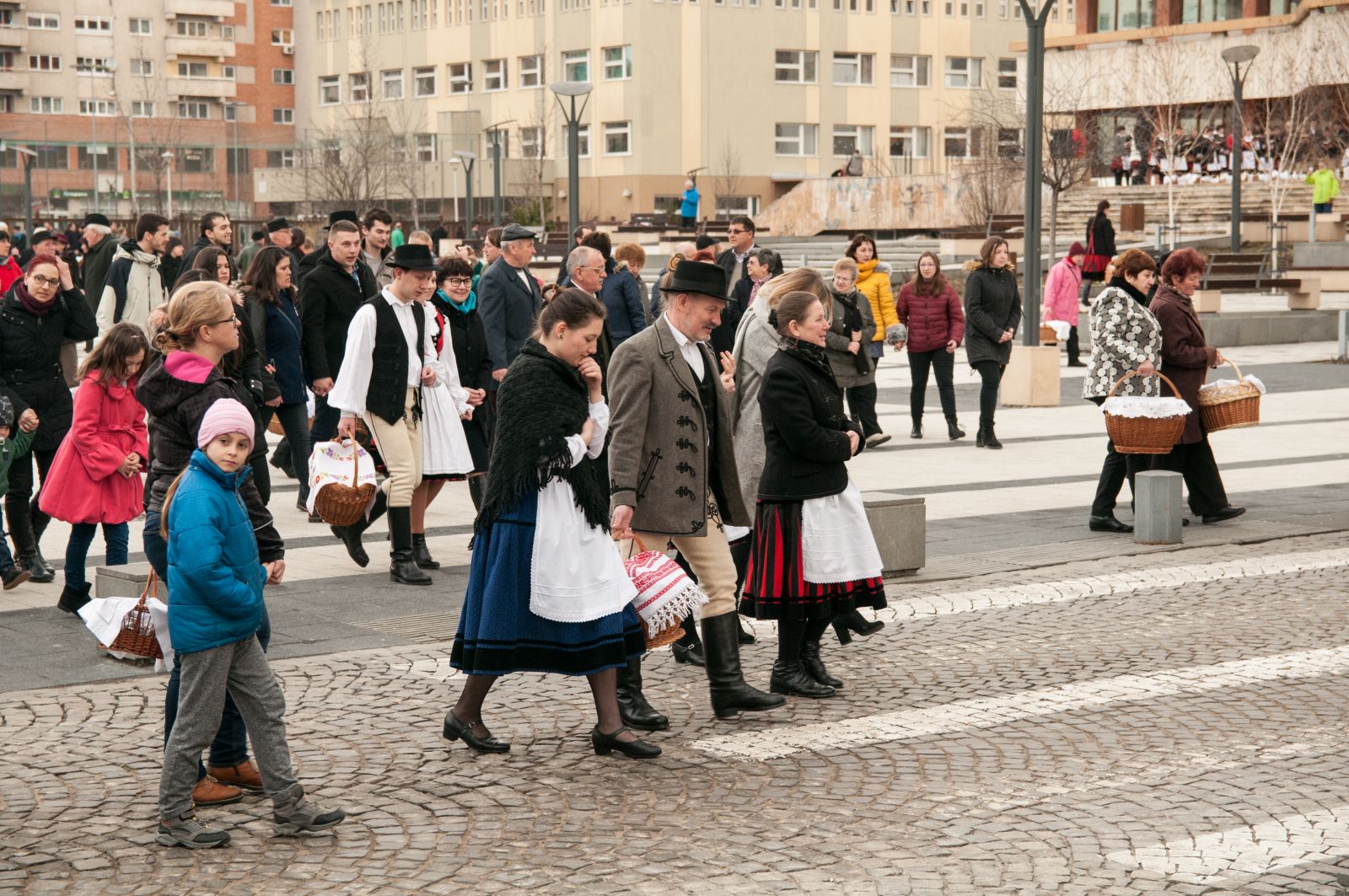
The biggest Easter food basket blessing of the world is held each year in the Székely town named Csíkszereda/Miercurea Ciuc. On Easter Sunday thousands of people (last year for example more than 7,000) are waiting at the town’s main square in ordered lines for the Roman Catholic priests to bless their food in their baskets covered with ornate tablecloths.

More than 7000 believers at the Easter Food Basket Blessing in Csíkszereda in 2018 (Photo: Imre Gegő)

In the Middle Ages the tradition of food blessing used to be practiced in every Catholic province, but nowadays it is not that common anymore. However Székelyföld is one of the few regions left (similar to Poland) where the tradition – of putting egg, lamb meet, ham, Easter bread and salt into the basket – still lives on. According to the faith of the Catholics, eating of the blessed food after their long fasting protects them from intemperance. At the end of Lent, in the morning of Easter Sunday people confess – so they can purify spiritually as wel l- then after their Holy Communion the priest blesses the foods in their baskets. And finally following the mass the family eats the sanctified food at home.

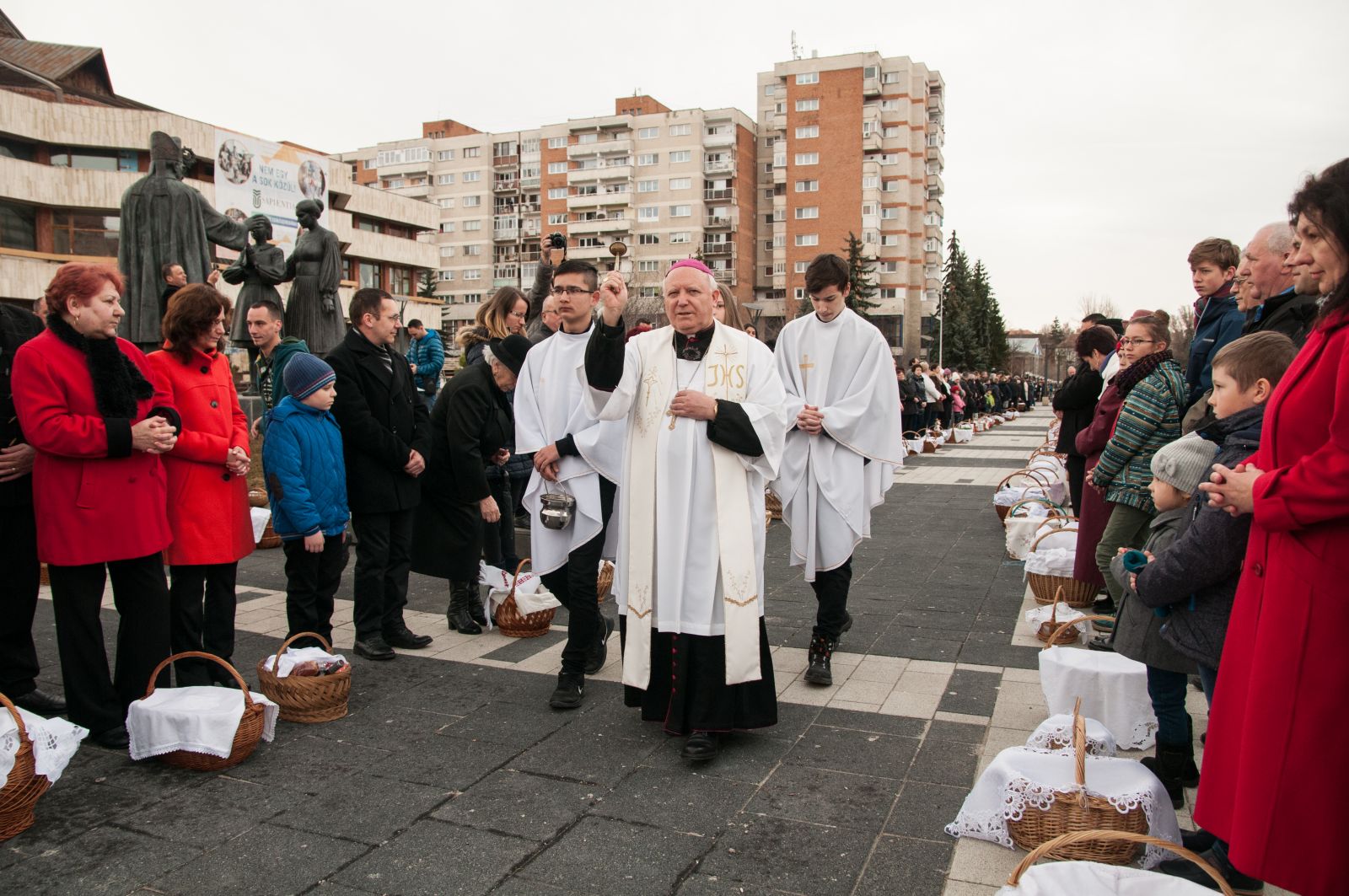
Easter Food Basket Blessing in Csíkszereda (Photo: MTI/2018)

“In the beginning of the 1980’s, early morning, after the first mass the people were standing in lines on the sidewalks of both the main street and the side streets around the church and we were walking among them to sanctify their foods. From the second part of the ‘80’s authorities did not permit this anymore, so we had to do it inside the St. Cross Church and the nearby plank church.” -told vicar of Csíkszereda, József Darvas-Kozma last year to Erdélyi Napló. The tradition then stepped up to a new level in the XXI. century: “In 2001, we held the mass in the Trade Union Cultural Center and the food blessing took place outside, on the main square. This was so successful, that since then we don’t do the sanctification at the end of the mess, but instead we do it separately in the morning outside on the square.”

Easter food basket blessing in Csíkszereda in 2016. (Video: Facebook Székely TV)

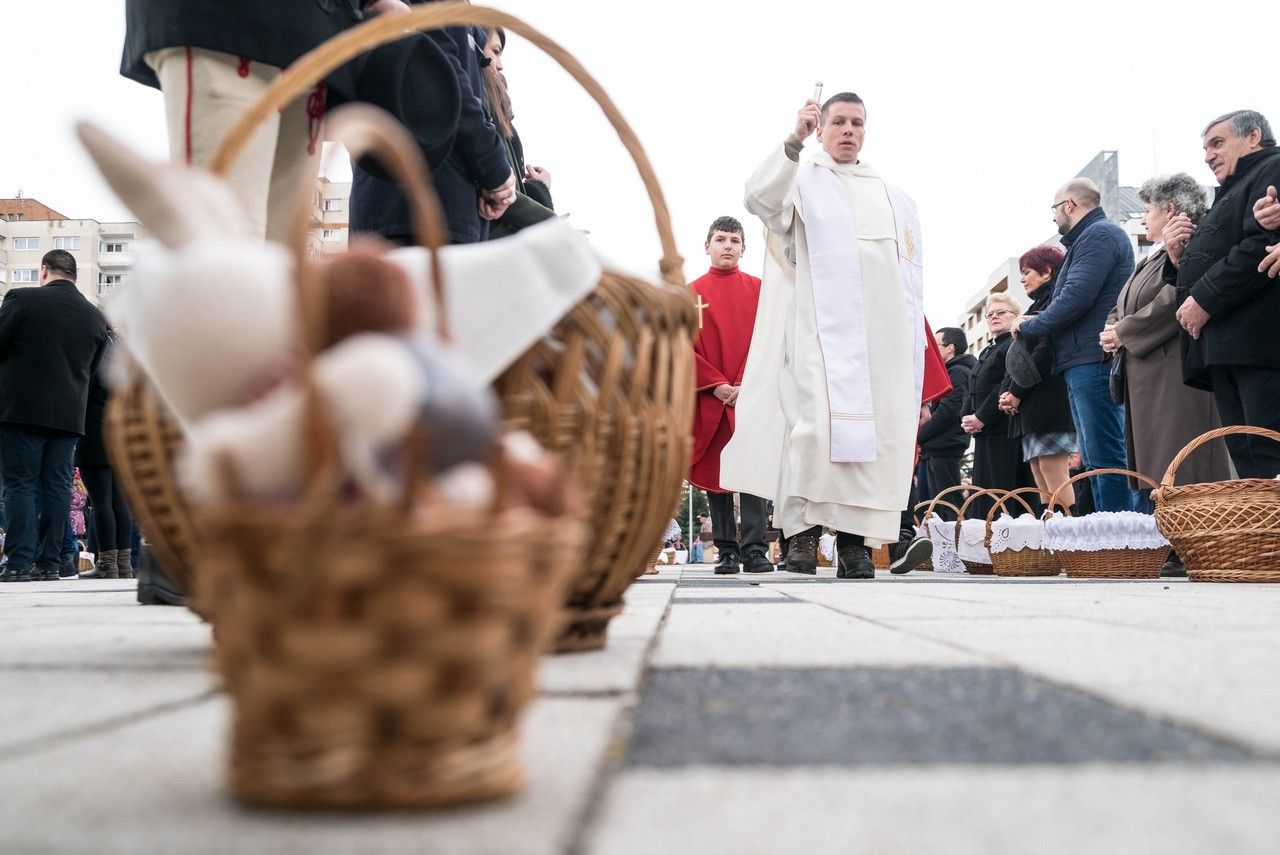
Believers keep standing in lines patiently with their baskets placed front of them on the ground, while eight-nine priests walk between the rows sprinkling the foods with Holy Water. “I’m happy that it turned into an ecumenical liturgy, as also our Protestant brothers bring their food to get sanctified and we pray together. At the end of the event the community sings together our national pray, and the Székely anthem”-told the vicar.

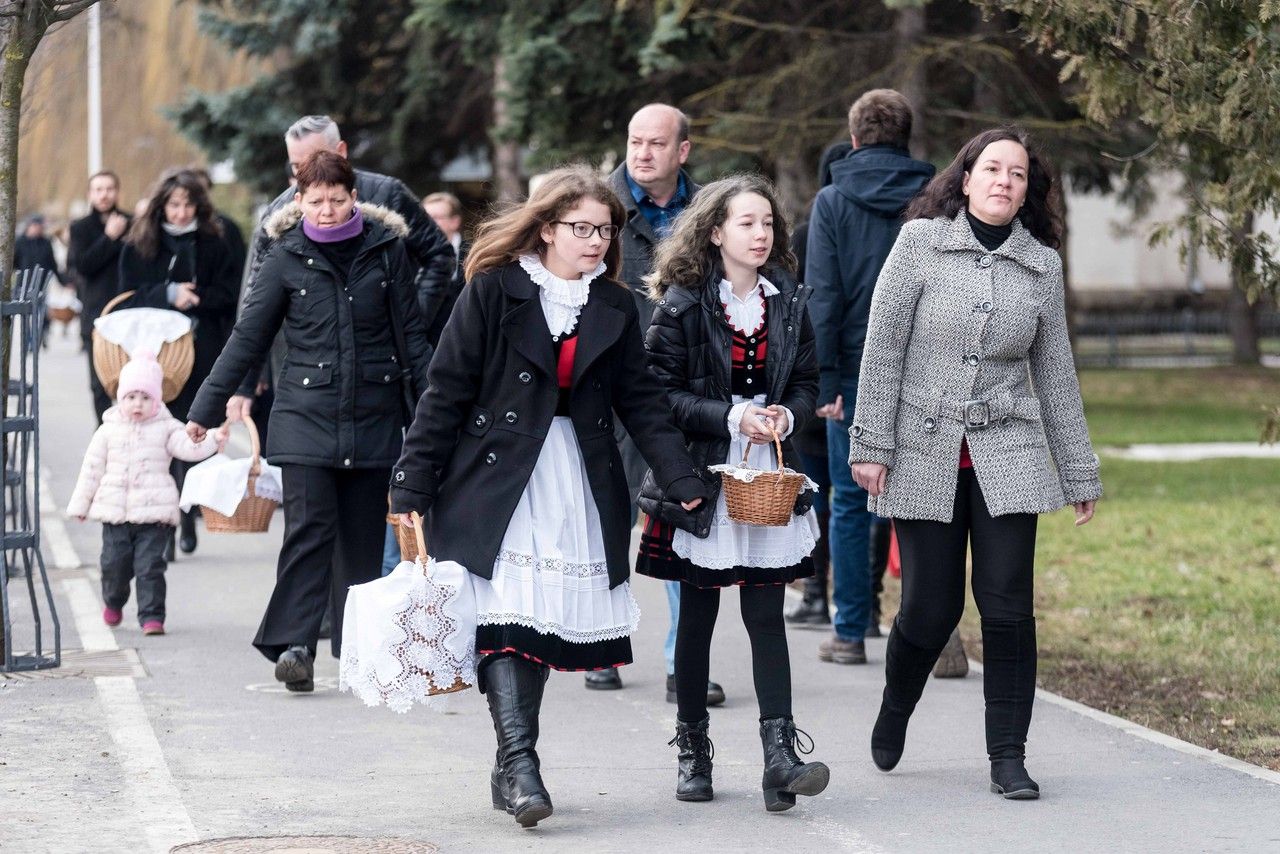
Little girls have their own basket. (Photo: Maszol.ro 2018)

Last year believers were standing in 22 row, with about 350 souls in each, which meant more than 7000 people altogether. Many of these people also put on their traditional Székely costumes for the event, and not only adults but youngsters and little children participate as well. The little girls have their own baskets, and the priests commend them separately, and talk with them directly. It is important because they are the ones who are going to play the important role in the Easter food basket blessings of the forthcoming decades.


Title Image: The biggest Easter Food Basket Blessing of the World in Csíkszereda in 2018 (Photo: MTI)

Reklám
Tas J Nadas, Esq

Italy And Hungary Forge Alliance To Defend Europe’s Borders From Migrant Invasion

Authored by Jennie Taer via SaraCarter.com,

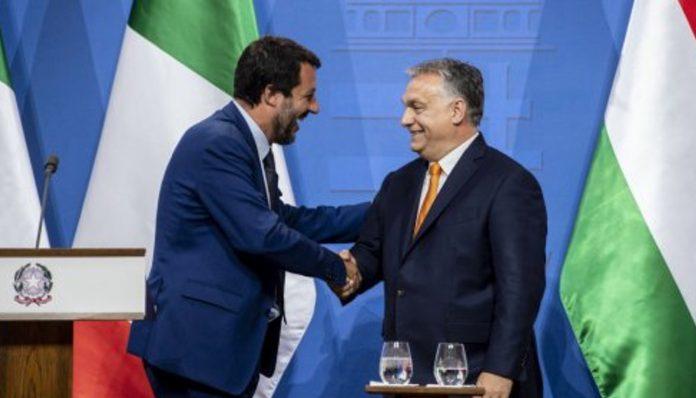
At their talks in Budapest on Thursday, Prime Minister Viktor Orbán and Italy’s Deputy Prime Minister and Minister of the Interior Matteo Salvini agreed on the importance of strong nation states, on the need to give priority in Europe to European culture based on Christian values, and on border defence.

At a joint press conference held with Mr. Salvini – who is also head of the Italian government party Lega – Mr. Orbán said they both believe the following:

that there will be no strong Europe without strong and successful nation states;

that on the continent priority must be given to European culture based on Christian values;

and that “Europe’s borders must be defended against the migrant invasion”.

Speaking about Italy’s response to migration, Viktor Orbán praised Mr. Salvini for “his efforts in achieving on the sea what we have done on land”.

He said that the success of these efforts is of crucial importance.

Viktor Orbán described Matteo Salvini’s visit to Budapest as an honour, adding that cooperation between the governments of the two countries has reached its highest point so far.

He said that “the citizens of Europe will benefit from listening to Italy and Hungary rather than President Macron.”

Viktor Orbán also outlined the Hungarian proposal for the establishment of a new body comprising the interior ministers of the Schengen Area countries. He stated that powers related to migration should be taken away from the European Commission and delegated to such a body.

Click here for more on this…

Source: zerohedge.com

Reklám
Tas J Nadas, Esq

Ukrainian Parliament Passes Language Law, Angering Minorities

Yesterday Ukraine’s parliament approved a controversial law that makes the Ukrainian language compulsory for the public sector. As a result, minority languages can only be spoken at home or during religious events.

Backers of the law claim it would strengthen Ukraine’s national identity and language, something the country – which finds itself in a delicate position as a result of an increasing pressure from Russia – could possibly benefit from. Hungarian organizations, and those of other minorities, have protested against the legislation by saying it eliminates the right minorities have to speak their own languages.

According to Foreign Minister Péter Szijjártó, the law is “unacceptable.” He expressed hope that the situation concerning the rights of the Hungarian community in Ukraine could be “clarified in a dialogue with the country’s new president (…) in pursuit of finding a solution to the issue.”

In addition, as Index noted, the law’s text states that the languages of Crimean Tatars and other indigenous peoples – potentially including Hungarian – will be covered by an amendment. It is expected to be presented within half a year by a new parliament as President-elect Volodymyr Zelensky’s Servant of the People party is not yet present in the Parliament due to the particularities of the Ukrainian electoral system. However, the party will likely have a majority after the October elections.

As a native Russian speaker, Zelensky’s stance is of great interest to many. However, for now it remains unclear how he feels about the language law. Nevertheless, he does appear to be less of a nationalist than the current president, Petro Poroshenko. According to karpatalja.ma, he said on Thursday that when sworn in he plans to carefully analyze “this law to ensure that it respects the constitutional rights and interests of all the citizens of Ukraine.”

For now, the law is yet to be signed by outgoing President Poroshenko, but given his previous statements, it is highly likely he will sign it before handing over the presidency.

The law has generated tension not only between the two countries but also in diplomacy. For example, Hungarian diplomats blocked discussions between Ukraine and NATO. This led to criticism from the US: At a conference organized by the conservative Danube Institute yesterday, U.S. Special Representative for Ukraine Kurt Volker insisted that “the issue of national minority languages is important and needs to be resolved between Hungary and Ukraine, but it doesn’t provide justification for blocking NATO discussions.” Founding member of Fidesz and Chairman of Parliament’s Foreign Affairs Committee Zsolt Németh retorted by declaring easing up out of the question for the time being. In the same vein, Transcarpathian Hungarian Cultural Association (KMKSZ) leader László Brenzovics warned the US “not to confuse Westernism with Ukrainian nationalism oppressing minorities.”

featured image: Transcarpathian Hungarian kids (illustration); via MTI/János Nemes

Source: hungarytoday.hu

Reklám
Tas J Nadas, Esq

Week in the Life of the Hungarian Diaspora: Baking Club, Archery Training and Book of the Székelys

In our recurring Week in the life of the Hungarian Diaspora series, we’ll be looking back at recent events and exploring the many success stories of the Kőrösi Csoma Sándor Program, which targets Hungarians outside the Carpathian Basin, and the Petőfi Sándor Program, which focuses on dispersed Hungarian communities beyond the borders of Hungary.

Hungarian Baking Club in Windsor

The kitchen of the Mindszenty Hall in Windsor is filled with hard-working Hungarian women who delight the locals with Hungarian delicacies every Monday. They make a large quantity of gingerbread, as well as walnut and poppy seed-flavored rolls, which are usually sold immediately. They also bake traditional Hungarian desserts and sell them at various Hungarian events and food fairs. Jam, walnut and poppy-seed cookies, zserbó, apple pie, honey cake and several other delicacies are typically up for grabs.

Buza Wedding Party at the Regös Camp

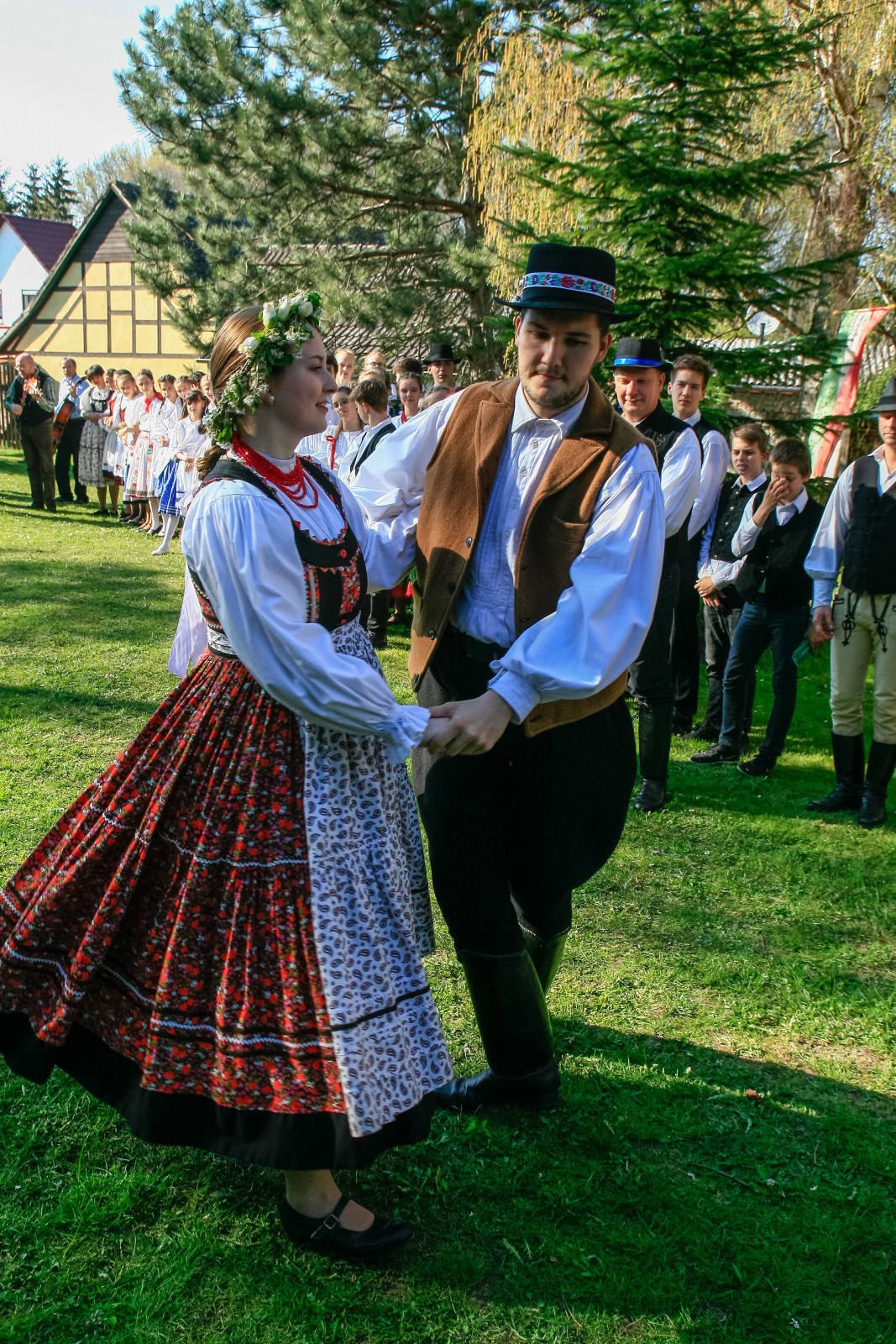
This year, the Western European Hungarian Scout Association organized the Tinódi Lantos Sebestyén Regös Camp for the 41st time in Lützensömerern, Germany. Every year, some 140 young people and scout leaders gather to keep both Hungarian tradition and folk culture alive. As this year’s camp’s theme was the Mezőség, the participants took part in a Buza wedding celebration.

Interconnection of the Petőfi and Kőrösi Programs

The participants of the two similar programs were given a rare chance to help preserve the identity of Hungarians outside Hungary. Hungarians in Zürich are now helping the scattered Hungarian diaspora in the Carpathian basin as part of a cross-border co-operation. They have donated 500 Swiss Francs to help strengthen the Hungarian community in the village and to aid in the renovation of the Hungarian Reformed church in Kóbor.

Archery Training and Horseback Riding in Solyva

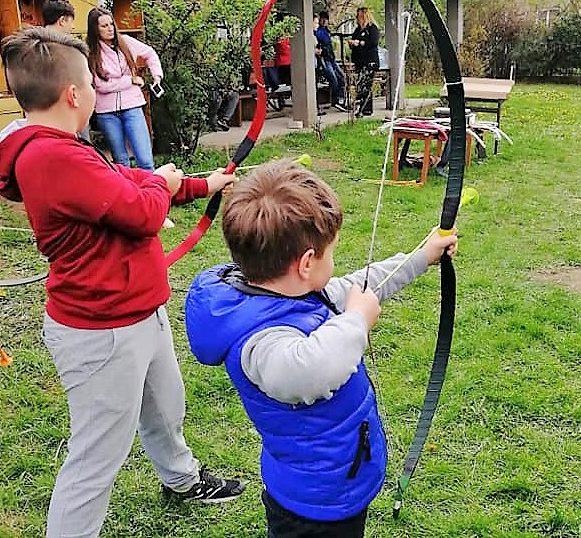
The Hungarian community in Solyva – a city nestled in the Carpathian Mountains on the road to the Vereckei Pass – has recently renewed its Hungarian kindergarten. It now offers new, exciting programs which include archery and horseback riding.

Palm Sunday Concert in Prague

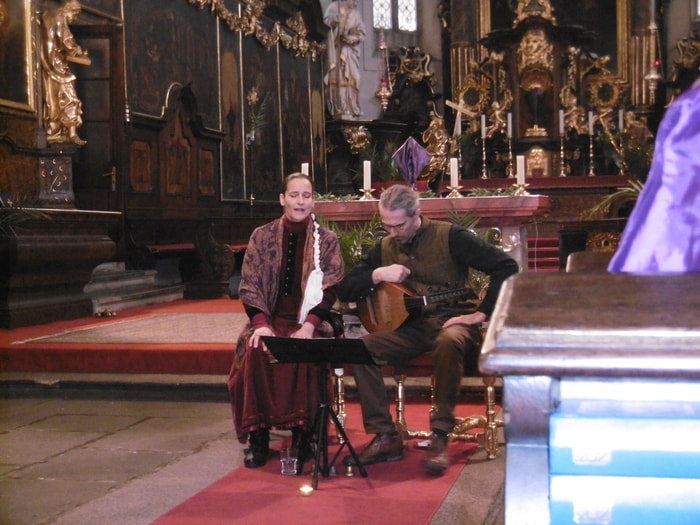
At a concert held in the Hungarian Church of St Henry, the audience listened as the Kobzos ensemble – composed of singer Andrea Navratil and zitherist László Demeter – performed archaic Hungarian holy songs preserved in the Moldavian Csángó tradition in an original, intuitive way.

Book Presentation About the Székely Hungarians Living in Southwest Banat

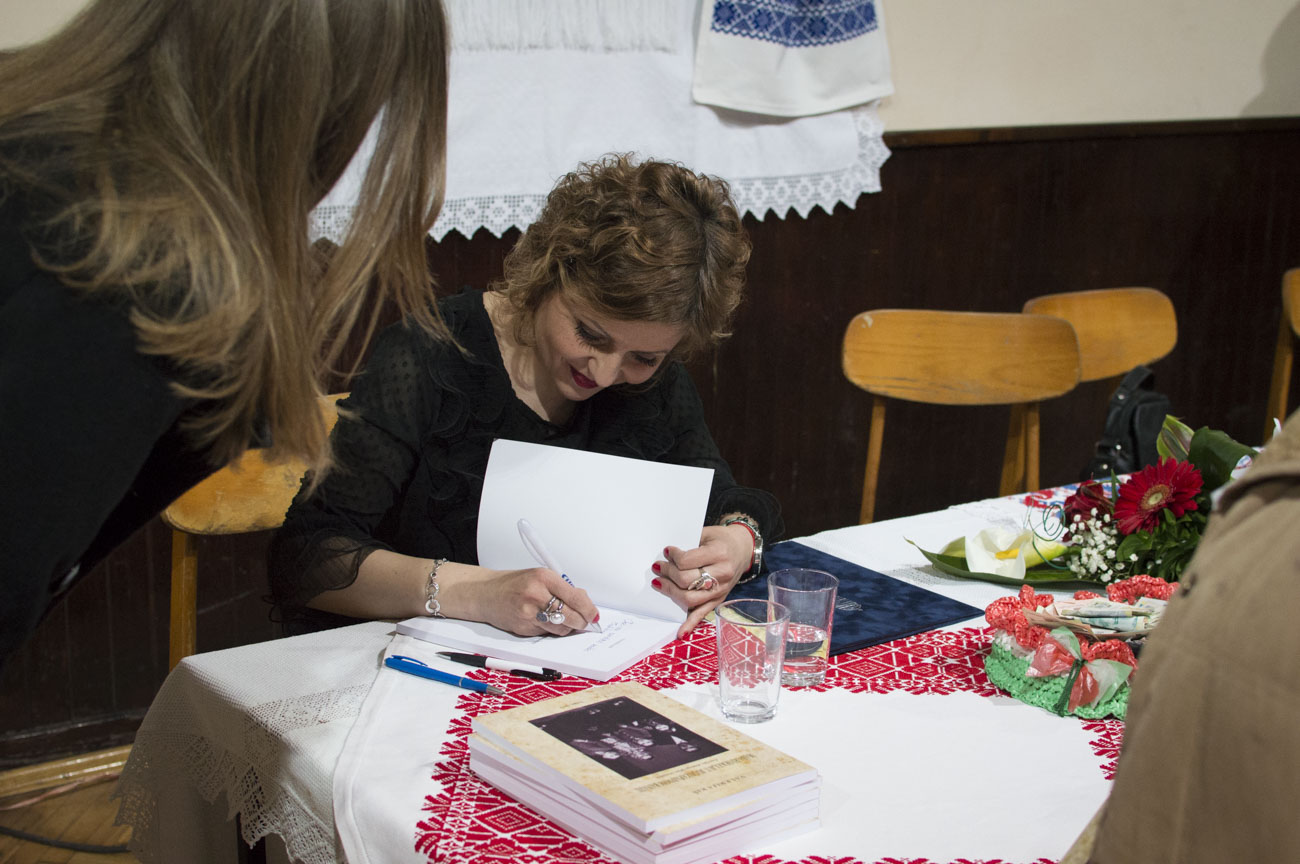
Kis Valéria’s book, titled Hungarians/Székelys in Southwest Bánát(Mađari/Sekelji u Jugozapadnom Banatu) was presented in the large hall at the Petőfi Hungarian Cultural Association in Pancsova. The writer, who is currently living in Bukovina and has her roots in Budapest, wrote the book in Serbian so that the non-Hungarian readers living in the region could learn of the unique situation facing the Hungarians/Székelys living there.

Source: hungarytoday.hu

Reklám
Tas J Nadas, Esq

Orbán: Hungary Ready to Promote Development of Europe-China Relations

Hungary is ready to promote the development of Europe-China relations through cooperation between China and central and eastern Europe, Prime Minister Viktor Orbán said in Beijing at talks with President Xi Jinping on Thursday, the Chinese English-language paper China Daily reported.

Orbán, who is attending the Second Belt and Road Forum for International Cooperation in Beijing, expressed firm support for the Belt and Road Initiative, calling it “an opportunity rather than a threat”.

Orbán said that “the Hungarian government and people cherish the extraordinary friendship with China” and that Hungary is optimistic about China’s high-tech development and welcomes investment from China.

The paper cited Xi as saying that China and Hungary should cooperate within the Belt and Road framework, including the upgrade of the Budapest-Belgrade railway, and “strive for more concrete results”. The Chinese president noted that “this year marks the 70th anniversary of the establishment of diplomatic relations between the two countries and China looks forward to working with Hungary to bring the bilateral comprehensive strategic partnership to a new level.”

In the featured photo: Viktor Orbán and Xi Jinping.

Photo by Balázs Szecsődi/PM’s Press Office

Source: hungarytoday.hu

Reklám
Tas J Nadas, Esq

In memoriam László Hámos (1951-2019)

New York, NY – The Hungarian Human Rights Foundation (HHRF) announces with profound sadness that László Hámos passed away on April 16 in New York, after a long and bravely borne illness.

László Hámos was co-founder in 1976 of the Committee for Human Rights in Rumania, which in 1984 became the Hungarian Human Rights Foundation. He remained at the helm of HHRF for the past 43 years. His vision and commitment sustained a movement, and fundamentally shaped the community of HHRF co-workers and supporters throughout the world.

László was born in 1951 in Paris to Hungarian parents (his father was born in Slovakia, his mother in Romania) and raised in a New Jersey suburb of New York. A graduate of the Mount Hermon School (Massachusetts), he studied international relations at the University of Pennsylvania. After working at the law firm of Cravath, Swaine & Moore, he started his own legal research and litigation support services company in Manhattan, before giving up the legal career to work full-time at HHRF.

In his youth, László was formed by the Hungarian-American organizations in Manhattan’s Yorkville neighborhood – the scouts, the Hungarian Reformed Church, the Hungarian House. Proud of his Hungarian heritage, László had an equally strong sense of American identity. In the 1970’s, U.S. foreign policy singled out Romania, alone among Communist East bloc adversaries, as a “Most Favored Nation”. As László often told the story, it was as a U.S. citizen that he found this intolerable: the U.S. government (“Our government!”) chose to overlook the Ceausescu regime’s human rights violations, including a systematic campaign of forced assimilation against the Hungarian minority. On May 8, 1976, he and a group of fellow Hungarian-Americans decided to exercise their civil rights: they organized a demonstration at the Romanian consulate in New York. The Committee (later Hungarian Human Rights Foundation) was born.

Initially an ad-hoc group of young volunteers, HHRF changed the way Hungarian-American organizations operated. Instead of looking inward or backward, HHRF embraced the unique power of “hyphenated Americans” and their potential, as ordinary voters, to influence their elected Congressmen and other decision-makers. Uniquely among Hungarian-American groups at the time, HHRF used the concept of human rights as the morally and legally acceptable “handle” to get U.S. policymakers at international forums to raise the issue of rights violations against Hungarian minorities. To document these violations, HHRF gathered, translated and published first-hand information provided by courageous underground activists in Slovakia and Romania (at a time when the web did not exist, the fax was a novelty, and Eastern bloc countries banned copy machines). In the mid 1980s, Baron Heinrich Thyssen-Bornemisza – who was partly of Transylvanian-Hungarian origin – was duly impressed by László’s work and became HHRF’s major benefactor and board member until his death.

László was a natural leader: he inspired co-workers by his clear thinking, problem-solving approach, and heartfelt desire to help those in need, often at the expense of his own well-being. In documentation, his sole goal – from which he never gave an inch – was to produce top-quality and airtight text. The high standards paid off. Under László’s leadership, HHRF developed into a trusted clearinghouse of well-researched, reliable information (“Our only asset is our reputation!”), and over the years built up a network of bipartisan U.S. allies in Congress and State Department willing to use their offices to speak up on behalf of Hungarian minorities, themselves “voiceless” behind the Iron Curtain.

László wrote and edited several volumes, position papers and scholarly articles on human rights, in addition to presenting more than 1,000 pages of written testimony at 27 hearings before various Congressional committees. He lectured at Cornell, Princeton, Yale and Columbia Universities and served as a consultant to the news media, other international human rights monitoring organizations, as well as U.S. and international governmental bodies.

Since 1976, László met with six U.S. presidents. He participated in three 1994 discussions with President Clinton and Vice President Gore regarding NATO enlargement. In March 1990, he arranged and participated in the Oval Office meeting between President George H. W. Bush, cabinet members and Rev. László Tőkés, the Hungarian Protestant minister from Romania whose resistance sparked the 1989 revolution. Over the years, László held several hundred personal meetings with Members of Congress, White House and State Department officials organized for Hungarian community leaders from East Central Europe after the fall of Communism.

László’s personal example directly inspired a new generation of leadership in the larger Hungarian-American community. Since 1984, HHRF hosted 73 interns in New York and Washington from around the world. Many of them would continue professional activities related to human rights. None would forget their late-night conversations with László, the stories he told, the habits he kept, or his kindness.

In 1991, HHRF was a co-founder of the Hungarian American Coalition, and László continuously served as Board and Executive Committee member since that time.  In 1996, he was elected Director of the Hungarian Reformed Federation of America (HRFA). In his capacity as Chairman beginning in 2008, he successfully led the Federation’s merger with GBU Financial Life in 2011. Until Fall 2013, László was Chairman of HRFA’s successor organization, the Kossuth Foundation. He also served as President of the 64-year-old American Hungarian Library and Historical Society in New York.

László played a decisive role in preserving and developing two emblematic buildings belonging to the Hungarian American community: the Hungarian House of New York, and the Kossuth House in Washington, DC. He developed new initiatives to promote cultural identity among the 1.5 million Americans of Hungarian ancestry, notably the 2012 launch of ReConnect Hungary Birthright Program under the patronage of former New York State Governor George E. Pataki.

László also won respect throughout the world-wide Hungarian Diaspora. László represented Hungarians in the West at meetings of the Hungarian Standing Conference (MÁÉRT) and the Carpathian Basin Hungarian Parliamentarians’ Forum (KMKF) in Budapest. Between 1998-2002, he served in a pro bono capacity as Foreign Policy Advisor to the Prime Minister of Hungary. Awards recognizing his and HHRF’s achievements include: the “For Minorities Award” (Kisebbségekért Díj) in 1996; the “Middle Cross of the Hungarian Republic” (Magyar Köztársasági Érdemrend Középkeresztje) in 2001; the American Hungarian Foundation’s Abraham Lincoln Award in 2007; and the Hungarian Academy of Sciences’ Arany János Medal, bestowed in 2011.

László Hámos is survived by his wife, Zsuzsa Erdélyi Hámos, daughter Júlia and son Dániel; parents Ottó and Margit Hámos, brother Árpád, and numerous family members in the U.S., Europe and Asia.

He is also mourned by HHRF Board Members Emese Latkóczy, Zsolt Szekeres and Péter Józsa, and by many other co-workers and associates who benefited over the decades from his friendship, character and vision.

Visitation will be Saturday, April 20 between 10 am and noon at the Barrett Funeral Home (148 Dean Drive, Tenafly, NJ 07670. www.barrettfuneralhome.net). Interment will follow at 1 pm in Brookside Cemetery (425 Engle Street, Englewood, NJ 07631. https://www.brooksidecemetery.net/). A memorial gathering will be held at the Hungarian House in New York at a later date.

The Hungarian Prime Minister’s Office, recognizing the invaluable contributions of László Hámos to the Hungarian nation, will provide full funeral honors.

You may express condolences and share memories here.

Source: hhrf.org

Reklám
Tas J Nadas, Esq

Slovakian Anthem Ban: President Vetoes New Law

    Slovakian president Andrej Kiska has vetoed the law proposal which would have made the singing of foreign national anthems in Slovakia punishable by a fine, Slovakian daily Új Szó reports.

    The case made headlines last week when it was revealed that singing a foreign national anthem would be made punishable by a fine of up to EUR 7,000.

    Originally, the far-right Slovak National Party (SNS) presented the law in connection with a debate surrounding the symbols printed on the Slovak national ice hockey team’s gear. The amendment containing the ban was later added to the original proposal. During the Parliamentary debate, however, SNS’ former Slovak national footballer MP, Dušan Tittel, admitted that the singing done by DAC’s Hungarian fans ahead of kick-off was the main motivator, hence the law’s nickname, “lex DAC.”

    On top of that, Hungarian MPs from the Hungarian-Slovakian party Most-Híd voted in favor of the proposal. The party later apologized and group leader Tibor Bastrnák claimed that “an error had occurred.” In addition, party leader Béla Bugár and SNS chairman Andrej Danko asked Kiska to reconsider the law and send it (or certain parts of it) back to the Parliament.

    Yesterday, Kiska officially sent the law and his criticisms of it back to the Parliament. Kiska argued that the anthem ban “does not have a clear and reasonable purpose.” This outcome was not entirely one Bugár and Híd wanted. According to Most-Híd spokesperson Klára Debnár, “this is not the first time the President has not stuck to the preliminary agreement.” She explained that “instead of commenting on the problematic parts of the law, specifically about the anthems of other countries, [the President] vetoed the full text of the law.”

    Now, it is up to the Slovakian Parliament: if it upholds the presidential veto, the whole law will be removed from the agenda. If it is rejected, however, the current form will remain in effect, including the amendment on the anthems, as upon the renegotiation, the Parliament cannot accept any further changes.

    featured image via FC DAC 1904

    Source: hungarytoday.hu

    Reklám
    Tas J Nadas, Esq

    Hungary Makes Offer to Buy 25 pc of Croatia LNG Terminal

    The Hungarian government has made an offer to buy 25 percent of a liquid natural gas (LNG) terminal “possibly built” in Croatia, Foreign Minister Péter Szijjártó told journalists in Dubrovnik on Friday.

    Szijjártó had talks with Tomislav Coric, Croatia’s environment and energy minister, on the sidelines of a China-Central and Eastern Europe summit, and said it was crucial for central Europe to diversify its gas supplies.

    Péter Szijjártó with Croatian Foreign Minister  Marija Pejèinoviæ Buriæ in Dubrovnik. Photo by Mitko Sztojcsev/Ministry of Foreign Affairs and Trade

    Szijjártó said it was in Hungary’s strategic interest that the terminal should be built and offer gas to Hungary at a competitive price. He added that the decision and the plans for the terminal have been in place, but “there has been no progress” in the physical implementation.

    PM Viktor Orbán with Croatian PM Andrej Plenkovic in Dubrovnik. Photo by Balázs Szecsődi/PM’s Press Office

    He added that Croatia had “not yet provided a clear answer” on the matter, as the country wants to take a decision on Hungary’s offer at the same time as it contracts gas volume. Investing in the terminal is “a strategic issue” but “we will certainly not buy gas at a higher price than at present,” he said, adding that the negotiations would be continued.

    Featured photo by lng.hr

    Source: hungarytoday.hu

    Reklám
    Tas J Nadas, Esq

    Orbán: Budapest-Belgrade Railway Contracts Soon to Be Signed

    Construction contracts in connection with the upgrade of the Budapest-Belgrade railway line could soon be signed, Prime Minister Viktor Orbán said on Friday.

    Speaking at a summit of the China-Central-Eastern Europe cooperation in Dubrovnik, Orbán said that cooperation between China and the CEE region “serves true European values with regard to the deep and comprehensive changes in the global economy and global politics”.

    Countries in central and eastern Europe build their policies “on common sense and rationality”, on a basis of mutual respect, which is reflected in the successful and multi-faceted cooperation with China, Orbán said. He noted that Hungary and China are celebrating the 70th anniversary of establishing diplomatic ties this year.

    Pm Viktor ORbán with Ana Brnabic, PM of Serbia, and Bojko Borisov, PM of Bulgaria. Photo by Balázs Szecsődi/PM’s Press Office

    Concerning the railway project, to be implemented with Chinese participation, Orbán said that it will offer the fastest way to transport goods between China and western Europe. The project is an integral part of the Belt and Road Initiative aimed at promoting free trade.

    Photo by Balázs Szecsődi/PM’s Press Office

    Orbán said hopefully similar projects such as the construction of a high-speed railway link between Budapest and Bucharest would follow in the future.

    On the featured photo: PM Viktor Orbán with Chinese PM Li Keqiang. Photo by Balázs Szecsődi/PM’s Press Office

    Source: hungarytoday.hu

    Reklám
    Tas J Nadas, Esq

    Orbán Launches Fidesz EP Campaign: 7-point Programme Against Migration

    Prime Minister Viktor Orbán on Friday outlined his Fidesz party’s programme aimed at stopping immigration.

    The first part of the proposal calls for stripping “Brussels bureaucrats” of their power to manage the migration issue and giving that competency back to the European Union’s member states.

    He said no country should be forced to take in migrants against its will and no one should be admitted to the EU without valid documents.

    The EU should also stop issuing prepaid debit cards and “migrant visas” to migrants, Orbán said. Neither should the bloc give any more money to organisations linked to US financier George Soros, which the prime minister said promoted immigration. Instead, he said, these groups should pay for member states’ border protection measures.

    Photo by Szilárd Koszticsák/MTI

    Further, no one should face discrimination for identifying as a Christian, Orbán said, adding that EU institutions should have anti-migration leaders.

    The prime minister said these measures were crucial for stopping immigration and preserving Christian culture, and asked voters to back his party’s programme. He said that

    Our Christian civilisation is at stake in the upcoming European parliamentary election”

    The election will decide if the EU has “pro-migration or anti-migration” leaders in future, whether “Europe continues to belong to the Europeans or to masses from another civilisation; whether we can save our Christian, European culture or give up the ground for multiculturalism,” the prime minister said.

    Orbán added that “discontent with Europe’s elite is mostly rooted in their treatment of migration”. What Europe is facing is not just a migration crisis but a migration of peoples in the historical sense, he suggested. Europe, he went on to say, could stop mass migration “but it has not even made an attempt;

    the European Union’s incumbent leaders support and encourage migration.”

    Orbán criticised Brussels for not focusing enough on family policy, pointing out that at the same time the EU regularly emphasises the importance of legal migration. He said the EU’s programme of legal migration was actually a “front” for replacing Europe’s population with immigrants.

    We Hungarians have lived here in the Carpathian Basin for a thousand years and we want to remain here and preserve our borders for at least another one thousand years”

    The prime minister said. “We want the next generations, our children and our grandchildren, to be just as free to make decisions about their lives as we are.”

    Orbán also touched on the relationship between Fidesz and the European People’s Party, saying that “we will decide on our own future, not the European People’s Party.” Fidesz will wait and see which direction the EPP will go in after the elections, he said, adding that right now it appeared to be heading “left, in a liberal direction towards liberal European empire-building and in the direction of the Europe of immigrants” If this is the direction the EPP is headed, he said, “you can be sure Fidesz won’t follow it.”

    As regards the outgoing European Commission president, Orbán called Jean-Claude Juncker an

    “authentic socialist”

    who bore heavy responsibility for Brexit, “the migrant invasion” and the “growing conflict” between central and western Europe.

    “There is an error in the appliance of the Brussels elite,” Orbán said, adding that there was a “bubble”, or “virtual world” in Brussels that refused to accept reality. This was why, Orbán said, it was possible for EPP group leader and spitzenkandidat Manfred Weber, who he noted was a Roman Catholic Bavarian, to “insult” the Hungarian people. He said this was not unusual from a “Bavarian from Brussels”, adding, however, that a “Bavarian from Munich would never do such a thing”.

    Orbán noted that Hungary has been at odds with Brussels on various issues for nine years now, adding that these disputes were always about the Hungarian government’s refusal to “do as Brussels dictates” if it believes that something would be against the interests of the Hungarian people.

    The prime minister summed up the achievements of the Juncker commission saying “the British are leaving and the immigrants have come in”.

    Concerning the future of the bloc, Orbán criticised the concept of the “united states of Europe”, which he said was a power ambition of the “Brussels elite” against nation states.

    The European dream is broken”

    Orbán said, citing a recent study by (pro-Fidesz) Századvég Foundation, which found that EU citizens no longer believe that future generations will be better off than the current one. Orbán said western Europeans tended to be more pessimistic about the future of the bloc. The majority of Europeans also believe in preserving the continent’s Christian culture and traditions, Orbán said, pointing out that 80 percent of Hungarians shared this view.

    Europeans oppose immigration, Orbán said, adding that European Commission First Vice-President Frans Timmermans, the lead candidate of the European Socialists, on the other hand, was in favour of it.

    It’s understandable that Juncker and Timmermans are together all the time. The only question is how the EPP’s Manfred Weber can come together with someone like this.”

    The prime minister called on voters to “show Brussels” in the election that it was the European people, and not the “Soros-affiliated NGOs and Brussels bureaucrats” that had the final say in the EU’s affairs.

    Fidesz EP List Leader Trócsányi: Europe at a crossroads

    Europe stands at a crossroads and next month’s European parliamentary elections will be about the present, future generations and the fate of the EU’s member states, Justice Minister László Trócsányi said on Friday.
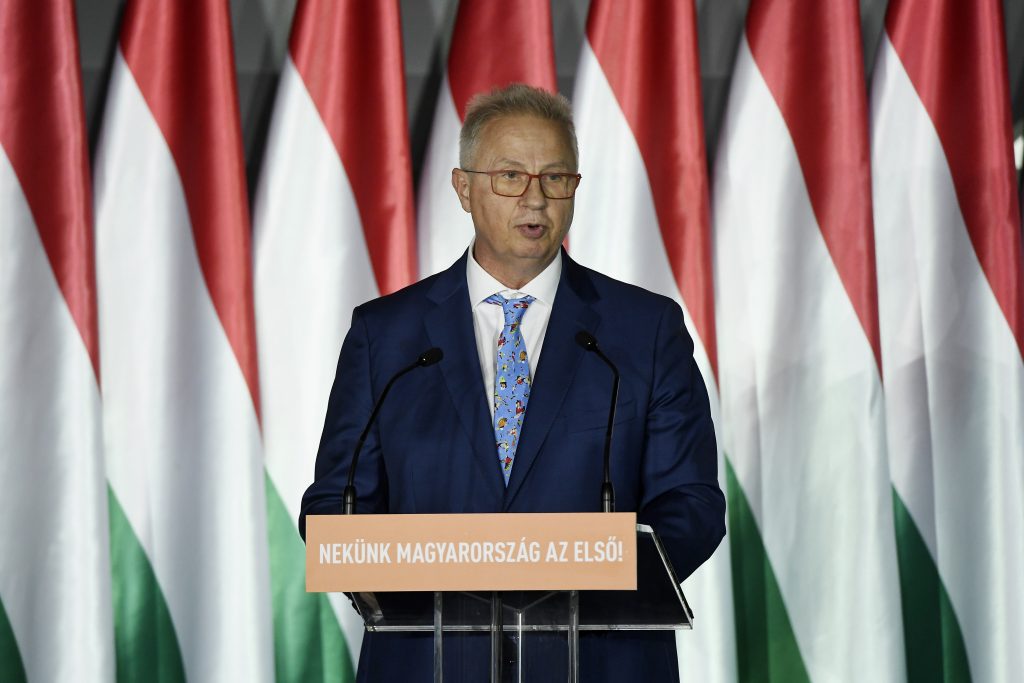
    László Trócsányi. Photo by Szilárd Koszticsák/MTI

    Speaking at the unveiling of the ruling Fidesz party’s election programme, Trócsányi said he believed in the strength of democracy and that the future of Europe was in the hands of its citizens.

    The minister said European Union institutions had grown out of touch with the bloc’s citizens and that many of the bloc’s decisions were often “far from reality”.

    Trócsányi said the EU would only be able to carry out its mission if it respects national sovereignty and independence instead of striving to be a “forcefully constructed community”.

    Foreign Minister Szijjártó: Hungary should be proud of having rejected UN migration compact

    Hungary should be proud that it rejected the United Nations’ migration compact, Foreign Minister Péter Szijjártó said on Friday, adding, at the same time, that “the battle is not yet over”.

    Péter Szijjártó. Photo by Szilárd Koszticsák/MTI

    Addressing the official unveiling of ruling Fidesz’s European parliamentary election programme, Szijjártó said it had now become “clear” that the inflow of illegal migrants faced by Europe in 2015 had been “part of a well-conceived plan” to organise a “global population exchange”.

    He said international organisations like the United Nations also had parts to play in the plan, adding that the UN’s role had been to legalise illegal migration through its global migration compact.

    Though Hungary rejected the compact, Brussels “will do everything it can” to make the document mandatory for the European Union’s member states “and decide in our place whom we should allow in and whom we should live together with”, Szijjártó said.

    “We won’t allow this,” the minister said, adding that this was what voters needed to make clear in the EP elections.

    On the featured photo: PM Viktor Orbán. Photo by Szilárd Koszticsák/MTI

    Forrás: hungarytoday.hu

    Reklám
    Tas J Nadas, Esq

    Slovakian Anthem Ban Angers Hungarian Parties, Govt Remains Calm

      In the wake of the new Slovakian law that takes target at the local Hungarian minority, domestic parties share anger and frustration. Despite its often fiery communication, the governing alliance remained calm in its response.

      Although the amendment bans all national hymns, it is clear that it is aimed at Hungarians. After all, Hungarians are Slovakia’s biggest minority and far-right SNS’ former Slovak national footballer MP, Dušan Tittel, admitted in the Parliamentary debate that the singing done by DAC’s Hungarian fans ahead of kick-off was the main motivator.

      Interestingly, one of the other presenters, Tibor Jancula, played football both for DAC and Ferencváros.

      FC DAC 1904 based in Dunaszerdahely (Dunajská Streda) has recently become the Hungarian minority’s number one club and is famous for its heated atmosphere and large fanbase consisting primarily of Hungarians. The club begins each game by singing the Hungarian hymn and other Hungarian songs. A number of government-linked firms sponsor the team, and DAC’s owner Oszkár Világi, a local Hungarian businessman, is a known ally of Viktor Orbán. Several government officials regularly visit DAC’s games as well.
      This is not the first time the club has found itself in the buffer zone of politics and tension. In 2008, in a match between DAC and Slovakia’s most popular club, Slovan, the Slovakian police stormed the sector seating fans arrived from Hungary and proceeded to assault them. A law was passed in 2014 prohibiting the use of flags and other foreign public symbols in sporting events, and many believed it to be politically motivated.

      Fidesz is careful this time

      At his regular press briefing on Thursday, PMO chief Gergely Gulyás called the law “unacceptable” and promised the Foreign Ministry would take legal action. Péter Szijjártó, however, responded in a much cooler tone. During his official trip to the US, the Foreign Minister met Slovak counterpart Miroslav Lajčák. After the talks, he declared that “Hungarian-Slovak relations should be based on mutual respect” and promised that “the ethnic Hungarian community would be an asset in the process.”

      Szijjártó also claimed to have discussed the issue with several leaders of local Hungarian, or partly Hungarian, parties: “we shall stay informed, watch upcoming events carefully and examine the legal ramifications; to our knowledge, a satisfying solution may be close by.” However, he has not cited any specific steps or actions to be taken in the matter.

      Szijjártó speaking with Lajčák in Washington. Image by MTI/KKM/Mitko Sztojcsev

      Jobbik, LMP and Momentum demonstrate together

      Jobbik, Hungary’s strongest opposition party, has called on the government to freeze bilateral relations with Slovakia until the country guarantees withdrawal of the law, arguing that it is not only “revolting and unacceptable,” but also “a slap in the face” for the Visegrad cooperation.

      LMP and Momentum also joined in the demo held at the Slovak embassy yesterday. LMP believes this legislation is scandalous and in conflict with European values. The green opposition party promised to take legal steps as well and plans to turn to the Council of Europe.

      Leftists are also enraged

      Democratic Coalition spox Sándor Rónai claimed that “everyone should sing the anthem that he or she wants” and said that “laws like this only serve to cause tension.” He noted that it is telling that those who voted against the amendment were previously labeled ‘Soros agents’ by pro-government media.

      Image by Jobbik IT- Facebook

      According to Párbeszéd MEP Benedek Jávor, the law violates European fundamental rights and values. In addition, MSZP claimed it contacted the largest Slovakian governing party, the leftist Smer party, “demanding answers.”

      DAC’s owner resists

      Oszkár Világi claimed that “national consciousness should not be built at the expense of others,” and said that “the singing of the Hungarian anthem cannot be prevented in this way.” In case the law does not change, they are ready to pay the fine, he insisted.

      The social-liberal Progresívne Slovensko (PS) is the only party that voted against the amendment. Interestingly, the party’s politicians were previously labeled by pro-Fidesz media as ‘Soros agents.’ In a statement, PS explained that “for Hungarians living in Slovakia, singing the anthem is an extremely important (…) an integral part of their culture, which is now crowded with legislation (…) Such issues should be handled with great care and sensitivity in a way that respects each other’s cultures. This SNS-like nationalism should be a thing of the past.”

      Tibor Bastrnák, the group leader of Most-Híd, a junior governing party whose membership is mixed, apologized for what he referred to as a mistake. The party’s Hungarian MPs voted for the new law, eliciting an excuse from Bastrnák that “an error occurred.” He explained that an earlier version had not contained the amendment, and when it was introduced by SNS, the party’s MPs were not present.

      The leadership of the predominantly Hungarian, Hungarian Community Party (MKP), criticized Most-Híd. In a video message, MKP MEP Pál Csáky asked if the EC would be willing to pay the fines incurred for signing the EU’s hymn during campaign events ahead of the upcoming EP elections. In addition, MKP President József Menyhárt called for the resignation of the Híd-Most MPs who voted for the law.

      The restrictive law needs the approval of the Slovakian President to be put into effect. However, things will change due to liberal candidate Zuzana Čaputová winning the recent election. Aware of the controversial situation, outgoing president Andrej Kiska warned the parliamentary parties to read the law amendments carefully prior to voting. It is not yet known whether he will sign the law or veto it, but the Slovakian Presidential Office promised the decision would be made next week.

      featured image via Istvan Fekete/Behance

      Source: hungarytoday.hu

      Reklám
      Tas J Nadas, Esq

      Week in the Life of the Hungarian Diaspora: Busójárás in Texas, Diaspora Conference and Arany Anniversary

        In our recurring Week in the life of the Hungarian Diaspora series, we’ll be looking back at recent events and exploring the many success stories of the Kőrösi Csoma Sándor Program, which targets Hungarians outside the Carpathian Basin, and the Petőfi Sándor Program, which focuses on dispersed Hungarian communities beyond the borders of Hungary.

        Busójárás in Texas

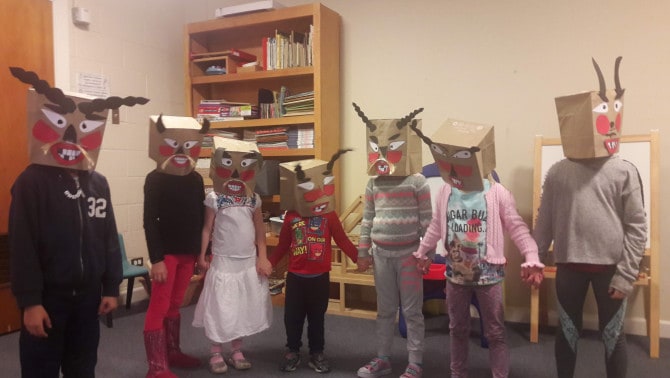
        Hungarian children in Austin, Texas got to take part in the Mohács tradition of Busójárás ahead of Lent. They made their own masks at the arts and crafts workshop and later wore them in the Busó parade.

        With temperatures above 25 degrees Celsius, the winter farewell took on a special atmosphere in Texas. Despite the warm weather, the Hungarian community went through with the celebration, and with the help of the children, scared away winter for good. Now, Hungarians can officially say that Spring has come to Texas.

        photo: korosiprogram.hu

        Scout Oath and Promise in Wallingford

        On March 10, the Connecticut-based 3rd Ferenc Beodray Scout Group’s Nyuszi (Bunny) Patrol took an oath and traded in their polka-dotted scarfs for blue ones. The Süni (Hedgehog) Patrol also took an oath, receiving a new green scarf in front of their leaders, friends and parents.

        As a Szilvia Papp Kőrösi scholarship holder pointed out, group scout leaders often have the difficult task of preparing programs which will strongly motivate children to participate. In America, this is perhaps even more difficult to accomplish, given that scouts sometimes have to travel great distances to attend events. She also pointed out that the leaders and children take special care to communicate in Hungarian instead of English because preserving the language is a high priority.

        At the event, they declared Hungarian a window to the outside world. After all, the language can be used to communicate with other Hungarian scouts from all over the world. By learning the language, they can sing Hungarian folk songs, proudly wear the Hungária badge on their uniforms, sing the Hungarian Anthem and greet each other with “Jó munkát!” (Good work!).

        photo: korosiprogram.hu

        First Western Diaspora Conference

        The first Western Diaspora Conference took place between 15-16 March at the Independent Hungarian Reformed Church of Ontario. Representatives of Hungarian organizations, churches and schools from the West Coast of the United States attended the event. The conference was held with the support of Tamás Széles, the Consul General of Los Angeles. Péter Szilágyi, the ministerial commissioner for the coordination of responsibilities related to Hungarians beyond the borders, was also in attendance. The conference began with a brief introduction followed by a traditional Hungarian program. Prior to an introduction to the Kőrösi Csoma Sándor Program the next day, the attendees extensively discussed the mother country. The program continued with presentations by church and scout leaders, then proceeded with reports delivered by the honorary consuls and Hungarian schools. In addition, the crowd enjoyed lectures on cultural, scientific and foreign economic issues.

        photo: korosiprogram.hu

        Ballad Recitation Competition in Honor of János Arany’s Birthday

        In honor of János Arany’s 102nd birthday (2 March 1817), the Ukrainian-Hungarian Educational and Scientific Institute held its third annual Transcarpathian ballad recitation competition at the University of Ungvár (UNE UMOTI). Many of the children were first introduced to Hungarian ballads by the event, and now, they had their chance to experience the rush of standing in front of the jury. The event began with a writer-reader meeting and an extraordinary reading class and ended with a ballad recitation competition.

        photo: petofiprogram.hu

        Preserving Traditions in Sarajevo

        This year, Hungarians living in Sarajevo dedicated an entire weekend (16-19 March) to commemorating the national holiday on March 15th. With the help of the Rakonca Folk Dance Ensemble, the Dobroda Orchestra and the Motolla Handicraft Circle, the event was a success. Participants toured the old town and learned about the history of Sarajevo and Bosnia and Herzegovina. Aside from attending a József Farkas exhibition titled, “Tanúhegyek,” Hungarians also tested their dance skills at a dance house under the supervision of professionals. The local children learned about Hungarian traditions and folk art.

        photo: petofiprogram.hu

        Source: hungarytoday.hu

        Reklám
        Tas J Nadas, Esq