Home Blog Page 18

Hungary and Austria mark 30th anniversary of Iron Curtain opening

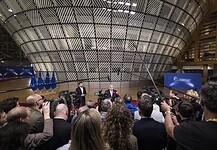
The foreign ministers of Hungary and Austria, Péter Szijjártó and Alexander Schallenberg, marked the 30th anniversary of the symbolic dismantling of the Iron Curtain in Sopron on Thursday.

The commemoration was held at the exact spot where then Hungarian Foreign Minister Gyula Horn and his Austrian counterpart, Alois Mock, opened the sealed border by symbolically cutting the barbed wire fence on June 27, 1989.

“The Iron Curtain imprisoned Hungarians, but it was only a matter of time before … the core characteristics of the Hungarian people would surface…” Szijjártó said in his speech. “This is what the desire for freedom is like.”

He said central Europe today is home to “robust, developing, proud” countries which are able to cooperate according to national interests and contribute substantially to Europe’s economy and security.

Support for the Hungarian government is overwhelming, he said, giving it a mandate to stand up for national interests in debates over the European Union’s future.

Schallenberg said the message of 1989 was “never to forget what we owe to European integration”. Today, the continent enjoys stability and wealth it didn’t have before, he said.

The unification process is not yet finished because many feel that some are closer to power than others, Schallenberg said. The European Union should work to change that, he said.

Before the commemoration, Szijjártó and Schallenberg discussed bilateral cooperation.

Source: MTI

Reklám
Tas J Nadas, Esq

Hungarian visiting lecturer position opens at CSU from fall 2020

BREAKING NEWS: On June 24, 2019, the Cleveland State University and the Ministry of Foreign Affairs and Trade of Hungary (through the Balassi Institute) established a Hungarian visiting lecturer position at the university. The position is for 4 years, beginning from the fall 2020 semester. The lecturer will teach Hungarian and will educate CSU students about the Hungarian culture. It is a further requirement that the lecturer engage with the broader Hungarian community in Cleveland.

The preparatory work has been supported by Dr. Endre Szentkiralyi, the president of the United Hungarian Societies, by Dr. Gregory M. Sadlek, Dean of the College of Liberal Arts and Social Sciences, and Dr. Zita Bencsik, the Consul General of Hungary from Chicago who helped the negotiations regarding this bi-lateral agreement.

The present Fulbright scholar program between CSU and Hungary will be transferred from the College of Liberal Arts and Social Sciences to the Washkewicz College of Engineering.

The interview with Dr. Zita Bencsik about this news (in Hungarian) will be aired first at Bocskai Radio, the voice of Hungary at WJCU 88.7 FM on Sunday June 30th at 3 p.m. and on bocskairadio.org

BREAKING NEWS

BREAKING NEWS: On June 24, 2019, the Cleveland State University and the Ministry of Foreign Affairs and Trade of Hungary (through the Balassi Institute) established a Hungarian visiting lecturer position at the university. The position is for 4 years, beginning from the fall 2020 semester. The lecturer will teach Hungarian and will educate CSU students about the Hungarian culture. It is a further requirement that the lecturer engage with the broader Hungarian community in Cleveland.The preparatory work has been supported by Dr. Endre Szentkiralyi, the president of the United Hungarian Societies, by Dr. Gregory M. Sadlek, Dean of the College of Liberal Arts and Social Sciences, and Dr. Zita Bencsik, the Consul General of Hungary from Chicago who helped the negotiations regarding this bi-lateral agreement. The present Fulbright scholar program between CSU and Hungary will be transferred from the College of Liberal Arts and Social Sciences to the Washkewicz College of Engineering. The interview with Dr. Zita Bencsik about this news (in Hungarian) will be aired first at Bocskai Radio, the voice of Hungary at WJCU 88.7 FM on Sunday June 30th at 3 p.m. and on bocskairadio.org

Posted by Bocskai Rádió the Voice of Hungary at WJCU on Thursday, June 27, 2019

Reklám
Tas J Nadas, Esq

Hungarian Lawyer Climbs Highest Peaks on All Continents

Hungarian lawyer, Emil Neszmélyi, climbed the highest mountain peaks of all seven continents and finished the Seven Summits series after having reached the 6194 meter high Denali in Alaska, North America.

The Seven Summits are composed of each of the highest mountain peaks on all seven continents. Different lists include slight variations, but generally the same core peaks are listed. The Messner version includes Mount Everest in the Himalayas in Asia, Aconcagua in the Andes in South America, Denali in the Alaska Range in North America, Kilimanjaro in the Eastern Rift Mountains in Africa, Vinson in Ellsworth Mountains in Antarctica, Elbrus in Caucasus Mountains in Europe, and Puncak Jaya in Mount Jayawijaya (Indonasia) for the larger Australian plate.

Neszmélyi has been working on the task to climb the highest mountains of each continent for a while now. In the beginning of the year, he successfully summited Vinson in Antarctica. Thus, he was only missing the challenging North American peak from the 7 Summits, which he previously tried to conquer twice before, but could not finish. Earlier, he told szeretlekmagyarorszag.hu that

I don’t care how many attempts I have to make. (…) It is not a coincidence that special US military units are training there.
He now reported on his Facebook page that he finally managed to climb the 6194-meter-high Denali in Alaska, and he will soon post a detailed report and video footage of the expedition.

Source: hungarytoday.hu

Reklám
Tas J Nadas, Esq

“I Support and Participate in Everything that is Hungarian”: Interview with Zsolt Bede-Fazekas

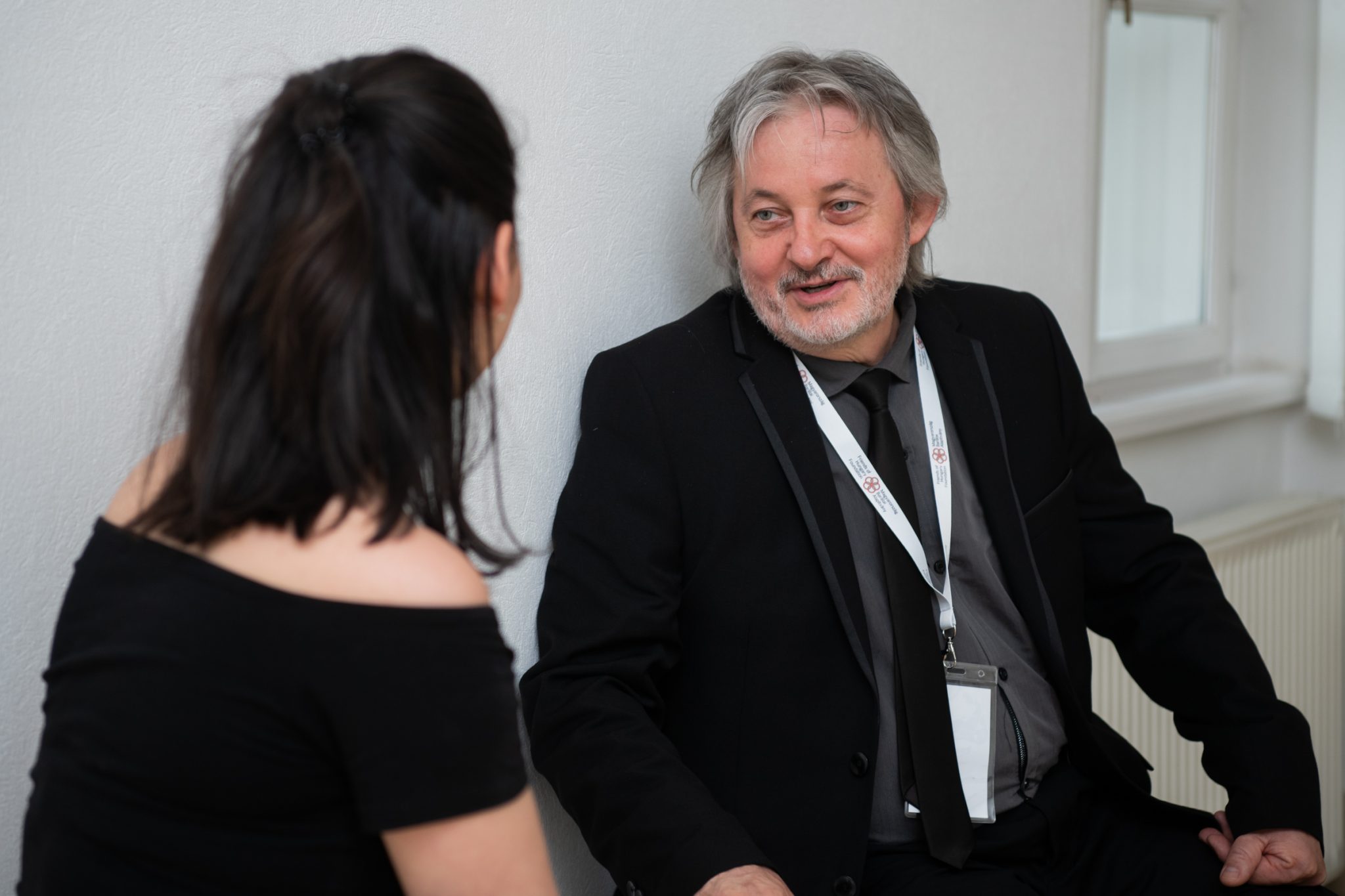
Zsolt Bede-Fazekas, editor-in-chief of the Toronto Independent Hungarian Radio and the former cultural director of the Hungarian Canadian Cultural Center in Toronto, operates the Canadian „Pannonia” bookstore, which is the only one supplying Hungarians with Hungarian-language publications “from Australia to America.” Hungary Today had the opportunity to talk to Bede-Fazekas before the annual Friends of Hungary Conference, where he received the Friend of Hungary Award for his work in helping the diaspora preserve their Hungarian roots.

***

We met in Győr, where you lived nearly 30 years ago…

Yes, I worked at the Kisfaludy Theater and I met my wife there as well. She was a member of the theatre’s dance group when I first worked there as a projectionist. Then I became part of the theater choir, and later I also got smaller roles and completed a director’s training. Then we left the country.

Was it a well-thought-out decision or did you have to leave suddenly?

It wasn’t sudden, but it was a very unpleasant decision. We left the country just before the change of the regime, in 1987. We had to go because they tried to recruit me as a secret agent. Many people were involved within the theater; there was an internal intelligence officer, whose area was the theater and they reported to him. After they approached me, I found myself in a very tough situation: those who did not get out of it and leave, their names became stained forever, even if they did not do anything at all. There are people who are still talked about, although they were forced into this situation. No matter how serious it was – because I think it was pretty frivolous then, a few years before the regime change, maybe even the leaders felt that the end was coming. But of course, we didn’t know that then, but we felt we had to go.

Where did you go from Hungary?

We spent a year in Austria. There, we kind of guessed or hoped that there would be some changes soon, but we didn’t dare to turn back. In the end, although I applied for political asylum, Austria did not accept us as emigrants, so we went on to Canada.
Why Canada, and not the United States?

When it turned out we had to leave Austria, we had a choice as to where we would like to go: Australia, USA, or Canada. We didn’t even apply to Australia, we felt it was too far away and we already had a hard time leaving Europe. We applied for asylum to the other two countries.

Those who went through this procedure really understood what the differences are between illegal migration and legal emigration… Official papers, passports, one-week quarantine…

In the end, both countries accepted us and although we have relatives in the United States, we chose Canada. We found it more sympathetic and is still more sympathetic to us. When we arrived in the country, we got a plane ticket and we were taken to the middle of the country, the prairie, where there were times when it was as cold as -60 degrees in winter. Obviously, emigrants were taken to areas from where residents had moved to larger cities. We first went to Regina, Saskatchewan, where we stayed for six months. Many Hungarians passed the scrutiny of the authorities and stayed in Toronto, but I think for us, it was good to go further. Fewer people went on to the prairie, so they were more concerned with the new arrivals. They gave us some furniture, pots, helped with language learning. We didn’t even know English back then.

It’s quite brave to flee to another country, where you can’t even speak the language. I guess it was also hard to adapt to the colder weather and the so-called culture shock.

Yes, it was hard at first.

We arrived with four suitcases, without any language skills. When we arrived at the immigration office, they asked me what we brought with us, warm clothes, gloves, things like that… but actually, two of our suitcases were completely filled with books.

Although it wasn’t the weather which was the worst, but the culture shock that you have mentioned. In the first few weeks, I couldn’t sleep, I had the feeling that I would come back even to Romania, if I could only be back in Europe. When we arrived in the autumn to Canada, there was no sun, everything was grey and it set quite a depressing mood for us.

But I think there have been some funny situations due to cultural differences in the first few months as you adapted.

Yes, many things were different. Once we were invited to a house party, which, according to Canadian traditions, was BYOB, bring your own beverage, not like in Hungary, where everything is thrown in for the whole group. Of course, we did it like Hungarians, and then it was the first consumed, we had nothing left for the whole evening. But we quickly learned these habits, the language, and when we moved to Toronto, it was so much easier to find our way.

Have you started to play a greater role in the life of the Hungarian community in Toronto?

Yes, we were consciously looking for the Hungarian community in Toronto. Back then, there was a street in Toronto, Bloor Street, with a section which was completely Hungarian. A dozen of Hungarian restaurants, two Hungarian bookstores… the community’s life was great as well. For example, when poet György Faludy lived in Toronto, he usually drank a few glasses of wine in one of them after closing, talking about poetry. In another bookstore, I saw an advertisement about Hungarian theater performances. We were theatrical people, so I was immediately interested in getting into the company. I was acting with them for ten years. Since then, I am the owner of the bookstore, Pannonia, which is now the only one supplying Hungarians with Hungarian-language publications.

Did you start organizing programs back then?

When we left Austria, we were wondering if we could watch European films out there. We decided that if we don’t have the opportunity, we’d organize a movie club. We bought a video recorder and cassettes in Austria and I asked my brother to start recording Hungarian movies.

When we first went home, after the regime change, I returned to Canada with two suitcases of Hungarian films and we started our own Hungarian film club.

A couple of years later, we founded the Fészek Club with friends, where we started to organize cultural programs more seriously and invited Hungarian musicians and artists as well. Then, about 25 years ago, I broke off with the club and started Parameter, which still works today. During the more than two decades of its operation, we have had more than 400 performers, including Tamás Cseh.

How do you see the Hungarian community in Canada, and how much has it changed in the three decades since you moved to the country?

This is my subjective opinion, and many Hungarian-Canadians may not agree with me, but when we arrived 30 years ago, there was a Hungarian community that emigrated in 1956, a completely different generation. They led all the institutions, Hungarian houses, and they organized huge balls and elegant events.

When we, a younger generation arrived, we wanted more: more serious cultural programs, literary evenings, concerts, exhibitions, theater. We banged on the doors, we asked for a change. These were intense, interesting times, yet we didn’t get into the management of the Hungarian institutions.

Then finally, our time came, but by that time, these institutions and houses were completely worn down. I led the Hungarian House for six years – but some remained skeptical and indignant, and did not appreciate the programs. I organized more than 200 programs, festivals, and the life of the community sparkled. We could make ends meet with the programs, but financially, the maintenance of the Hungarian House was a horrible amount, so we actually were in the minus. Then the sale of the house arose to make the community more sustainable. Meanwhile, in the background, they were talking how the programs were uneconomical. Now that there is a huge support from Hungary, and the government is helping the diaspora with great amounts, there are no economic problems with the new house. However, I feel we have gone back in time. The cultural programs are again replaced by the balls, there is no vision in the program organization.

We have potential, but I think the community does not live with the opportunities as it should.

That is why I continue to organize cultural programs in the Parameter Club.

You are the editor-in-chief of the Toronto Independent Hungarian Radio as well. How did this opportunity come about?

As the Hungarians appeared in Canada, the community was automatically organized into their own theater, radio, and cultural houses. When I arrived, radio stations were already in operation.

I supported and wanted to participate in everything that was Hungarian.

So obviously, when I heard there was a Hungarian radio, I called the editor-in-chief, saying that we are organizing programs, and offered to do an interview with them. I went in for the interview, and then I never left. I became a volunteer at the station. For a variety of reasons, after several radio frequency and owner switches, difficult financial situations, and a rotation of editors, I took over the editing. I thought I didn’t really have anything to lose and I launched a completely new concept. I asked the owners of Hungarian companies to advertise, and this is how the radio survived. At first, we started with an hour-long transmission every Saturday and we were able to switch to live broadcast soon afterwards. For more than 15 years now, we have been editing a 2-hour program. What’s special about it is, while the other radio stations of the diaspora, such as in Cleveland or Ottawa, who receive the broadcasting time free of charge, we are renting a radio station from a private company for up to 35,000 dollars a year. It’s quite a lot.

How do you keep it up then? You can’t pay it from the proceeds of programs like those in the case of a Hungarian House.

Initially, half of it was funded by donations, half of it was financed by advertisements of Hungarian-Canadian companies. Then, unfortunately, the Hungarian shops started to close one by one.

There was a year when eleven Hungarian restaurants were closed just in Toronto. Today, there’s only two or three left.

And with one or two exceptions, they aren’t really interested in advertising, so they don’t support the radio. So now 80-90% of the income is from the audience. Unfortunately, in September of last year, they wanted to ask for an even higher price for the broadcasting time, so we had to give up the two hours. Fortunately, the radio was unable to sell the time, so we got it back. In Ontario, wherever you go, you can catch our program in a 400 square kilometer area and listen to it on the Internet as well.

What about the subsidies coming from the Hungarian government?

We also applied for those. Although I didn’t want to at first, I thought that if we couldn’t keep our own radio stations and Hungarian houses by ourselves, we shouldn’t really apply for subsidies in Hungary. But then I realized that it was a stupid thing – even if I don’t apply, the money will still be distributed. Why not spend it on some useful, valuable projects then? I do everything in these broadcasts to create value and we work on a completely voluntary basis.

Do you think or are you afraid that with these subsidies Hungarian politics will filter into the community and divide it?

There are those who in no way want to accept these funds because they do not agree politically with the government, not even when the institutions are ruined, worn down, closed or there are no funds or opportunities for programs. I say it’s okay, it’s their decision. However, if I accept the subsidies, when I organize programs from it and create value, and they still protest, then it’s a problem.

But this year you have received the Friend of Hungary Award for several decades of work you did for the Canadian Hungarian community.

It felt especially good. The members of the Friends of Hungary can nominate people for this prize, those who they think are doing a lot for the community and the maintenance preservation of the Hungarian identity, culture, and roots.

I am grateful to them – not because of the prize, but because they realize the importance of the work we do and come to our programs, help, bring their friends as well, and believe in us.

Receiving this award is unbelievable for me. Believe it or not, this is my first real recognition for my work at the diaspora, being called a ‘Friend of Hungary.’

Back in 2007, when I led the Hungarian House, I received a Pro Cultura Hungarica Award, then the members of the Toronto Diaspora nominated me as the Ambassador. They called me shortly afterwards to congratulate me for receiving the award. They said if a public official arrives, they will give it out at a ceremony. Then the President and many prestigious visitors came, but somehow it got forgotten, and in the end, the Toronto Consulate closed down. When they had packed everything, they called me and handed over a plastic bag with the prize in it – they had no heart to throw it away. I think it happened for political reasons, as I had invited guests such as the Civil Lawyer’s Association that the leadership at that time may not have liked. This is how politics has blended into culture. It was really difficult for me to process this, as it was a very important award. That’s why I was unbelievably happy to receive the Friend of Hungary award for my job now. Because for me, this is the Pro Cultura Award that I had never received.

***

Interview and translation by Fanni Kaszás

Source: hungarytoday.hu

Reklám
Tas J Nadas, Esq

V4 Soon to Name Own Candidate for EC Presidency?

    While participants of the Visegrad Countries (V4) PMs informal meeting refused to disclose any names, recent statements point in the direction that V4 countries want a say in deciding on the top jobs of the European Union.

    Czech news outlet, Hospodářské noviny, was first to report at the end of May that V4 countries would support Slovakian Maroš Šefčovič, the current vice-president of the European Commission (EC) for the EC presidency. The economic daily added that in the final discussions, V4s could eventually support Brexit negotiator Michel Barnier or World Bank Vice-President Kristalina Georgieva, provided that Šefčovič would be appointed the EU’s next High Representative for Foreign Affairs and Security Policy.

    After the informal meeting of the Visegrad Four Prime Ministers in Budapest on Thursday, the Hungarian PM’s press chief claimed that the V4 leaders agreed to “present a united front on matters of European Union leadership positions and policy at next week’s EU summit.” Orbán, in his regular radio interview on Friday also insisted that “the V4 states would enforce their own interests when it came to deciding on EU leadership positions.”

    To date, no name has officially been given to the public by the leading V4 politicians, but speculations have arisen about certain potential candidates. Orbán, for example, hinted that they gathered a positive-negative list about which V4s he would or would not support for the EC presidency. He, however, did not name anybody from the wish list, naming only Frans Timmermans from the negative side. (Fidesz long ago announced withdrawing its support of Manfred Weber, the Spitzenkandidat of Fidesz’s European party family, EPP).

    In addition, leftist daily Népszava, in reference to “multiple independent sources,” claimed that although informally, the four indeed agreed on two potential names, one from the left and one from the right. The first being Šefčovič seems to confirm earlier speculations, while the other is Polish Krzysztof Szczerski, Secretary of State and Chief of the Cabinet in the Chancellery of the President.

    EU leaders are due to meet next week (20-21 June) in Brussels to make decisions on appointments for the next cycle, so the official stance of the Visegrad prime ministers is needed to be revealed by then.

    featured image: MTI/PM’s Press Office

    Source: hungarytoday.hu

    Reklám
    Tas J Nadas, Esq

    Radio Free Europe to be broadcast in Hungarian once more?

    Washington is apparently considering relaunching Radio Free Europe in Hungarian once again. The US-based radio station, also known as Radio Liberty, has not had Hungarian words spoken on it since 1993.

    As nepszava.hu reports, sources say that American congresspeople are considering a relaunch of the iconic Radio Free Europe in the Hungarian language. The radio station used to provide reliable news in European countries behind the Iron Curtain: real information countering the communist propaganda coming from state-owned radio stations and television channels.

    Radio Liberty has been sponsored by the US since the very beginnings, and apparently, Washington now feels restarting the independent media outlet would be beneficial for the cause of democracy once again. Similar relaunches took place this year in Romania and Bulgaria.

    The idea was already considered in 2012, but no further steps were taken, and it died down relatively quickly. This time, however, a specific plan was put together to assist free and independent media all around Eastern Europe, the scope of which is said to be around 770.3 million dollars.

    It has been reported that any future Radio Free Hungarian broadcast will be available via either a smartphone or a computer: the traditional shortwave version will not be coming back.

    Freedom House Report has recently deemed the state of the media “partly free” in Romania, Bulgaria and Hungary; a step which has undoubtedly drawn the attention of numerous experts and laymen alike to the region.

    Source: Népszava / dailynewshungary.com

    Reklám
    Tas J Nadas, Esq

    Hungary defeats Wales in Euro 2020 qualifier

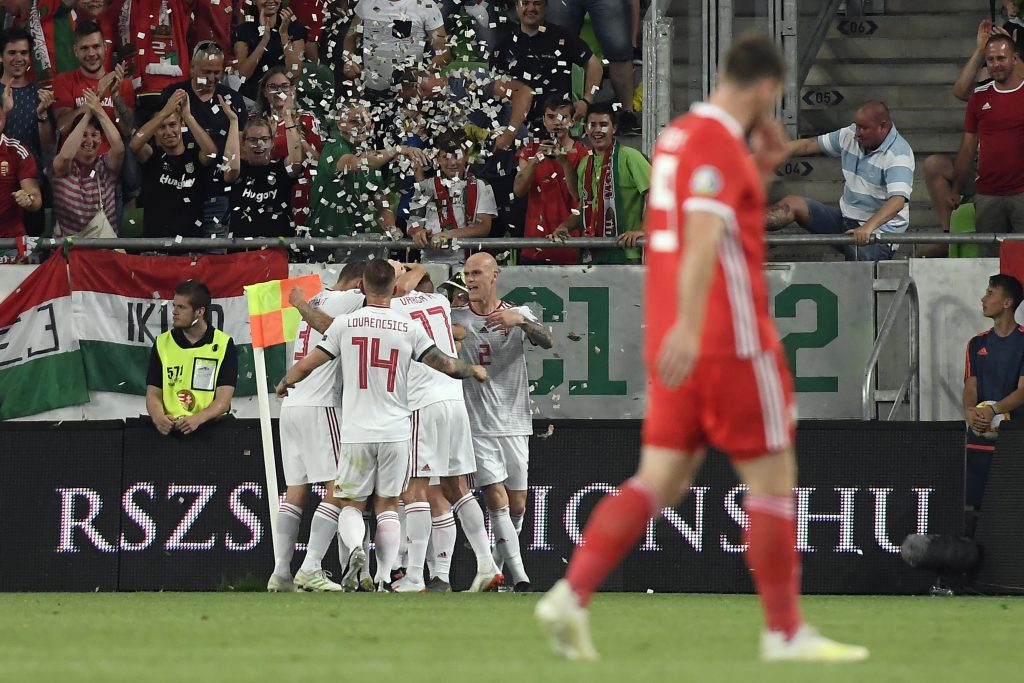
    Budapest, 2019. június 11. A magyar játékosok a Magyarország-Wales Európa-bajnoki selejtezõmérkõzés után a budapesti Groupama Arénában 2019. június 11-én. A magyar labdarúgó-válogatott 1-0-ra gyõzött. MTI/Illyés Tibor

    A late Máté Patkai goal gave Hungary a deserved three points against an underwhelming Wales team in the Groupama Aréna in Budapest on Tuesday evening, a result which keeps Marco Rossi’s team top of Euro 2020 qualifying group E.

    In a game largely dominated by the home team and littered with missed chances by both sides, it was Pátkai’s intervention when presented with a clear sight of goal following good work from Ádám Szalai that made the crucial difference and put Hungary in pole position in a tough group comprising World Cup silver-medallists Croatia and UEFA Euro 2016 participants Slovakia as well as semi-finalists from that year, Wales.

    Rossi was banned from sitting on the bench for this match due to his dismissal against Azerbaijan on Saturday but he wasn’t afraid to make several changes from that winning side, Máté Pátkai and Filip Holender coming in for László Kleinheisler and Dominik Nagy. Hungary started with confidence and a dangerous inswinging Dzsudzsák corner in the third minute had Wales goalkeeper Wayne Hennessey scrambling to tip clear at his far right post. The hosts couldn’t press home this initial advantage though and instead Wales settled into the game, Tom Lawrence flicked back-heel forcing a regulation save from Hungary’s goalkeeper Péter Gulácsi after a low, skidding, right-wing cross from Joe Allen.

    hungary wales 2020Photo: MTI/Kovács Tamás

    Next to go close were the hosts when Dzsudzsák’s free-kick from the right side of their attacking half was headed half-clear to Dominik Szoboszlai 14 metres out, whose header at goal drifted just wide of the right post. Another raucous home crowd were roaring on this young, vibrant team in their usual inspiring way and their heroes were responding, Lovrencsics shifting the ball to Dzsudzsák in the right channel who in turn slid in Ádám Szalai who’d made a well-timed run into the right side of the Wales penalty area. The burly Hoffenheim striker had space and time to slide the ball invitingly across the six-yard box but the onrushing Filip Holender couldn’t quite arrive in time to divert the ball into the waiting net.

    An open, entertaining first half continued when new Manchester United signing James danced down the right and slipped a pass inside to Tom Lawrence who shot low left-footed from ten metres but disappointly straight at a grateful Gulácsi. Dzsudzsák then swung in a dangerous left-wing cross which fell to Szalai but he couldn’t adjust in time to shoot on goal, although he did still earn a corner for his efforts. At the other end, Joe Allen will wish he’d done better with a wayward shot from distance in the 35th minute but in truth it was the home team dominating proceedings, Szoboszlai heading Dzsudzsák’s inswinging, right-wing corner just wide of the near post just a minute later.

    Photo: MTI/Illyés Tibor

    James and David Brooks brought a little mirth upon themselves from the crowd after failing to decide who’d be taking a free-kick before yet another searching cross from Hungary’s captain Dzsudzsák somehow evaded Szoboszlai arriving at the near left post. That was the last sight of goal in the first period and a brief malaise continued after the restart before Cosimo Inguscio’s team – the Italian assistant coach standing in for suspended head coach Marco Rossi, who was dismissed during the 3-1 defeat of Azerbaijan last Saturday – put together a neat move in the 56th minute, one which only ended with Lovrencics crossing from the right and a half-clearance arriving at Szoboszla, who controlled the ball well enough but could only half-volley the ball narrowly over the right side of Hennessey’s goal.

    Wales’ best chance of a goal always seemed likely to come from their quicker forwards on the counter-attack and their opportunity arose on the hour mark when David Brooks broke forward and released Tom Lawrence down the right channel. He laid the ball on a silver platter for Gareth Bale who was first to arrive in the penalty area but the Real Madrid CF star could only scuff his shot tamely up into the air for Gulácsi to gather.

    A subdued Wales were really there for the taking and with 15 minutes Hungary nearly made their supremacy in possession count. Substitute László Kleinheisler stung the palms of Hennessey with a rasping drive from 25 metres and they were again close to finally taking the lead from the resulting corner, only for the referee to judge the ball had not crossed the goal line following a goalmouth meléé.

    At the other end Gulácsi struck lucky when his attempted clearance looped onto the roof of his own net after being charged down and Lady Luck was stay faithful to Hungary moments later when Szalai’s turn and control saw the ball roll free to midfielder Máté Pátkai, whose first-time shot from 11 metres arrowed past Hennessey, inside his near left post and rippled the back of the net.

    Another replacement Roland Varga’s 86th-minute inswinging free-kick from the left missed both Szalai’s head and the inside of the far right post as Hungary rode the crest of a wave and looked likely to score again with every attack. Varga slid the ball low across the box but again to no avail and Ashley William’s hook across the Hungary box was somehow missed by a waiting Bale at the back post as both teams piled on the pressure in the closing minutes. Bale did finally get an effort on goal in added time but his header from ten metres was straight at Gulácsi, the ball and therefore the three points nestling neatly in his gloves.

    This latest win – their fifth in a row at home – keeps Hungary at the top of Euro 2020 qualifying group E, their nine points three more than Slovakia and Croatia who both have six. Hungary’s next qualifier is on 9th September at home against Slovakia.

    Forrás: dailynewshungary.com

    Reklám
    Tas J Nadas, Esq

    Romanian secret service covered Hungarian text on Pope Francis’s garment

    The Romanian Protection and Guard Service (SPP, the local equivalent of the U.S. Secret Service) had a Hungarian inscription covered on the garment Pope Francis wore during the Mass at the Csíksomlyó (Romanian: Sumuleu CIuc) pilgrimage site on June 1, during his three-day visit to Romania, Transylvanian Hungarian-language news site Krónika reports.

    The garment – designed by ecclesiastic artist Cristina Sabău-Trifu – was completed one week ahead of the ceremony and on the back it featured an image of the Virgin Mary and pilgrims, complete with the inscription “Járjunk Együtt” (Hungarian for “Let Us Walk Together” – the official Vatican motto of the papal visit.

    Papal garment with the Hungarian inscription (source: kronika.ro)
    Papal garment with the Hungarian inscription covered (source: kronika.ro)

    When the answer was yes, he ordered them to add a strip of fabric to the garment covering the Hungarian text. The garment itself has previously been fully authorized by the Vatican.

    Title image: Pope Francis during the Csíksomlyó Mass on June 1 (source: Vatican News)

    Source: transylvanianow.com

    Reklám
    Tas J Nadas, Esq

    President Áder on Úzvölgye Cemetery Incident: ‘Blasphemous, Unlawful and Immoral’

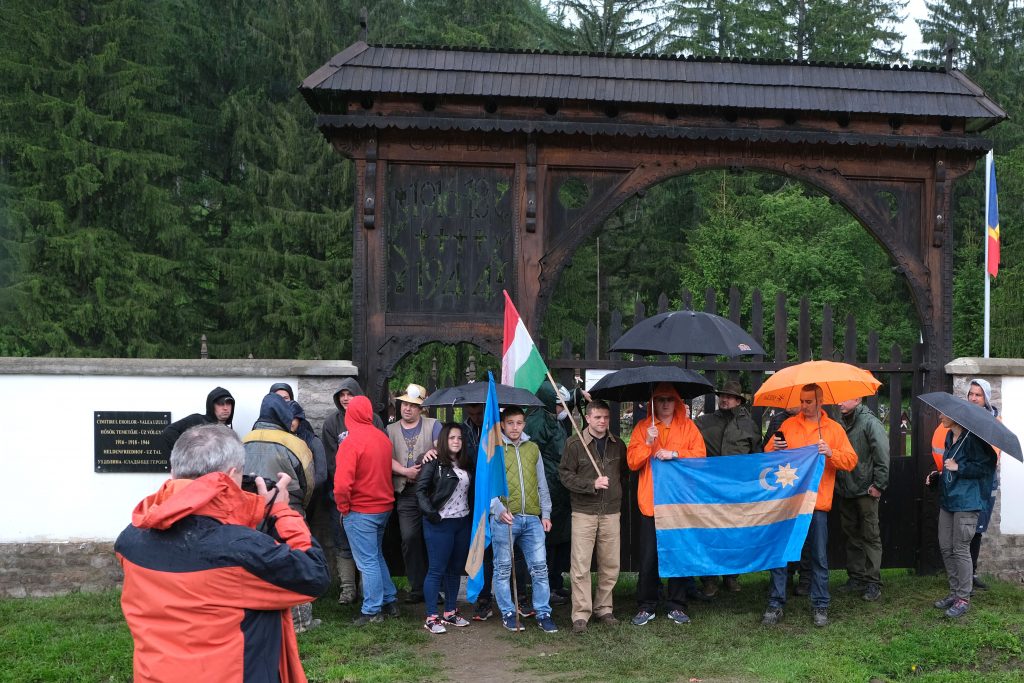
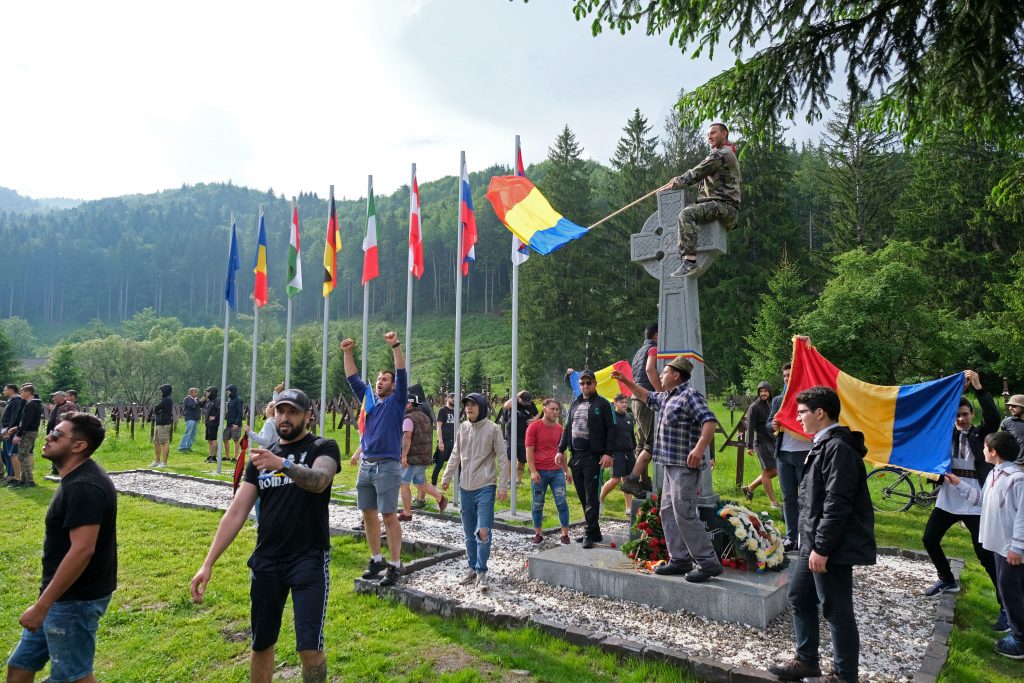
    Hungarian President János Áder has slammed a Thursday incident in the Úzvölgye (Valea Uzului) military cemetery between Hungarians and Romanians as “blasphemous, in violation of laws and international agreements and also deeply immoral.”

    The Úzvölgye memorial cemetery in eastern Romania commemorates Hungarian soldiers fallen in the first world war. In April 2019, the local council erected a memorial site for Romanian soldiers fallen in the second world war. Ahead of the site’s inauguration late on Thursday, the visitors of that event clashed with Szekler demonstrators and eventually forced their way into the cemetery.

    Photo by Nándor Veres/MTI

    Speaking after attending the Whitsun mass in Csíksomlyó (Sumuleu Ciu), a traditional place of pilgrimage in Romania, Áder said that the memorial for Romanian soldiers contained 52 crosses, some of which “have been erected over the ashes of Hungarian soldiers”. The Romanian authorities have also found the memorial site unlawful, he said, noting the Romanian defence ministry’s statement that it has issued no permits for it.

    Photo by Nándor Veres/MTI

    The construction of the memorial site infringes on the Romanian-Hungarian agreement on the maintenance of war graves, Áder said. It is also “deeply immoral”, he added.

    It is in the interest of Hungary and of ethnic Hungarians living in Romania to find a solution enabling a peaceful coexistence between Romanians and Hungarians, he said.

    There are several empty plots (in Úzvölgye). No one will object to a memorial there to soldiers who have been documented as resting there.”

    In a statement on Saturday, Romanian Prime Minister Viorica Dancila condemned “sowing discord among Romanian citizens, incitement to hatred or to disrespecting the country’s symbols”. She is mulling putting the cemetery under direct supervision of the defence ministry, the statement said.

    Hungarian political parties also condemned the incident

    The allied ruling Fidesz and KDNP parties have strongly condemned “the action carried out by Romanian extremists” in the cemetery.

    The violence and provocation in the Úzvölgye cemetery is unacceptable. Desecrating a cemetery with heroes resting there and the crosses on their graves is an outrageous act. Romanian authorities must take steps in order to eliminate the tension,”

    Fidesz said in a statement, pledging the Hungarian government’s support to the Transylvanian Hungarian community in connection with the affair. Lawmaker Barna Pál Zsigmond of ruling Fidesz called on the Romanian government to look into the events and find those responsible, at a press conference on a different issue on Saturday.

    Opposition Jobbik has strongly condemned the clash as an “unprecedented incident” and demands an immediate investigation into the matter. The nationalist party has called on the Hungarian government to take resolute action through every possible diplomatic channel including international organisations in the matter, a lawmaker of the party told a press conference.

    Opposition LMP has strongly condemned the Romanian diplomatic response as “impolite and unprecedentedly harsh in its manner”. The party has also called on the Hungarian government to take resolute action.

    The radical nationalist Mi Hazánk party called on the Hungarian parliament to condemn the violent incident. Deputy party leader Dóra Dúró said on Saturday that parliament should express “the cohesion of all Hungarians and Hungary’s solidarity with those living beyond the borders.”

    Opposition Párbeszéd in a statement pledged solidarity with “all Hungarians who feel intimidated by the attack of Romanian extremists in Úzvölgye”. They called on the Romanian government to convict those responsible and to restore the original site.

    Featured photo by Nándor Veres/MTI

    Source: hungarytoday.hu

    Reklám
    Tas J Nadas, Esq

    Orbán Meets Jordan Peterson in Budapest

    Prime Minister Viktor Orbán on Thursday met Canadian political scientist and psychologist Jordan Peterson in Budapest to discuss current political issues, the prime minister’s press cheif told MTI on Thursday.

    Peterson, who teaches clinical psychology at the university of Toronto, and Orbán agreed that illegal migration was “unnecessary and dangerous”, and talked of political correctness, which they said made “sensible public discussions impossible”, Bertalan Havasi said. Political correctness is the “invention of a small, ideologically driven group,” they said.

    Peterson and Orbán also touched on a current tendency to “minimise” the crimes committed under Communist regimes. They cited an “infamous” speech by European Commission President Jean-Claude Juncker, in which they said he “defended Karl Marx”, Havasi said.

    Peterson is in Budapest as a guest of the Brain Bar Festival, organized to discuss the future of “individuals, communities and humanity as a whole”. Last year’s Brain Bar festival drew over 10,000 visitors.

    In the featured photo: PM Viktor Orbán with Jordan Peterson. Photo by Balázs Szecsődi/PM’s Press Office

    Source: hungarytoday.hu

    Reklám
    Tas J Nadas, Esq

    Hungary builds relations with Canada

    Levente Magyar said the main purpose of his visit to Canada was to promote Hungarian food produce among Canadian suppliers with a view to significantly boosting current annual exports of 21 million euros.

    A foreign ministry official on tour in Canada has highlighted how interest in Hungarian food produce is “serious and real” in the country and the Hungarian government is making every effort to promote successful partnerships with Canadian firms.

    At the end of a three-day visit to Canada, State Secretary Levente Magyar said the main purpose of his visit was to promote Hungarian food produce among Canadian suppliers with a view to significantly boosting current annual exports of 21 million euros.

    Magyar held talks with a dozen of importers and with Canadian investors already present in Hungary. He cited Linamar, which has around 3,000 employees and is expanding its bases in Orosháza and Békéscsaba, introducing state-of-the-art technology in agricultural machinery and parts manufacturing. He added that Linamar is an important strategic partner of the Hungarian government and its expansion projects receive government support.

    According to MTI, the State Secretary said there was great potential in bilateral cooperation, with current annual trade totaling around 330 million euros, much less than Hungary’s turnover with other countries of a similar size.

    The HungaroFeszt in Toronto also offers a good opportunity to present the country, he said. The Alliance of Hungarian Businesses is a driver of the Hungarian community there, organizing events and offering the institutional framework for ethnic Hungarians to nurture their community.

    Photo credit: hirado.hu

    Source: abouthungary.hu

    Reklám
    Tas J Nadas, Esq

    Trianon anniversary: 5,000 children was singing the Hungarian national anthem – VIDEO

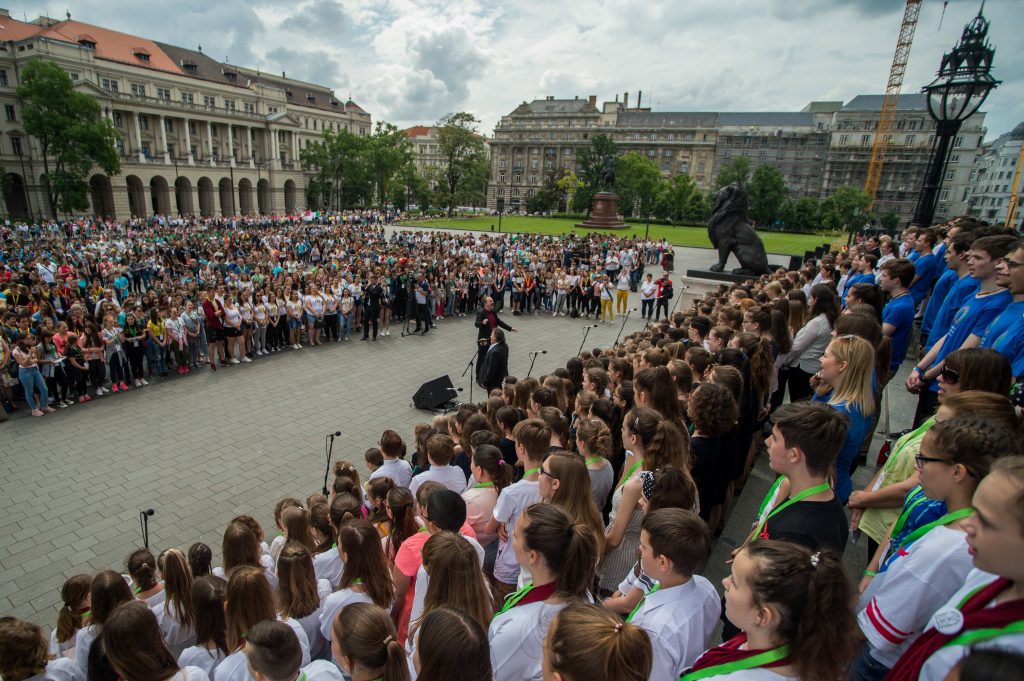
    Budapest, 2019. június 4. Diákok éneklik a Kézfogás címû dalt, a magyar összetartozás himnuszát a nemzeti összetartozás napján rendezett ünnepségen a Parlament elõtt 2019. június 4-én. Az Országgyûlés 2010. május 31-én nyilvánította a nemzeti összetartozás napjává az elsõ világháborút lezáró trianoni békeszerzõdés aláírásának napját, június 4-ét. MTI/Balogh Zoltán

    The almost 100 years that have passed since the signing of the Trianon peace treaty is proof of the strong will of Hungarians to survive and keep their country alive, the state secretary for Hungarian communities abroad said on Tuesday, marking National Cohesion Day.

    The treaty “forced upon” Hungary was signed 99 years ago on this day in the Grand Trianon chateau of Versailles,

    Árpád János Potápi told public broadcaster M1’s morning programme. It was aimed at “destroying Hungary’s political system, as well as its economy, military and society”, he said.

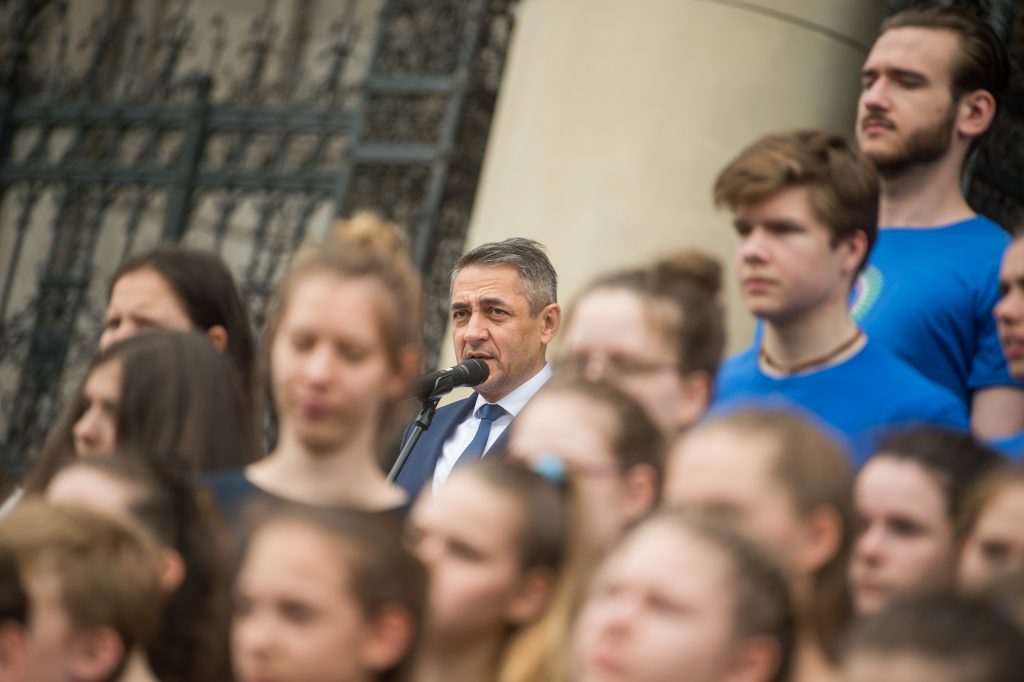
    Speaking at a ceremony in front of Parliament, Potápi said the future of the Hungarian nation was “in the hands of Hungarian mothers and fathers” and thanked grandparents and parents who decided to raise their children and grandchildren to be Hungarians.

    “Those parents and grandparents have passed on not only their mother tongue, but the notion that we belong somewhere: to the global family of all Hungarians. On this day we are celebrating this outstanding unity,” he said.

    Closing the commemoration, 5,000 children joined together from the Carpathian Basin to sing the Hungarian national anthem in Kossuth Square.

    National cohesion dayPhoto: MTI
    National cohesion dayPhoto: MTI

    Hungary’s parliament declared June 4 the Day of National Cohesion in 2010.

    National cohesion dayPhoto: MTI
    Reklám
    Tas J Nadas, Esq

    Ship Collision: Detented Viking Captain Denies Wrongdoing

    The Ukrainian captain of a cruise ship which collided with a sightseeing boat in central Budapest was detained after he was questioned as a suspect, police said late on Thursday.

    Following an on-site inspection of the cruise ship, investigators working in cooperation with nautical experts seized evidence, police said. The 64 year-old captain of the Viking Sigyn cruiser was questioned under suspicion of causing the mass disaster and was detained, the statement added.

    The captain has not violated any rules, an attorney representing him told MTI later on Friday, adding that he has filed a complaint against the accusations. Balázs M. Tóth said that raising charges was “untimely” and there was not enough evidence to support suspicion. He added that the opinion of experts would be crucial.

    The lawyer said in a statement that the captain has served 44 years in that capacity and had never caused an accident. The captain has been shocked by the accident, he is sorry that he could not avoid the disaster, and has expressed his sympathy to the victims’ families, he added.

    Featured photo by Péter Lakatos/MTI

    Source: hungarytoday.hu

    Reklám
    Tas J Nadas, Esq

    Preparations for the Papal Visit in Transylvania

    Pope Francis began his three-day pastoral and ecumenical apostolic visit to Romania on Friday. The Supreme Pontiff of the Catholic Church arrived in Romania a few minutes after  11 and was welcomed by Romanian President Klaus Iohannis and his wife Carmen, as well as the episcopacy. 

    Pope Francis will meet with the secular leaders of Romania prior to paying an ecumenical visit to the Romanian Patriarchate to have a look at the new Redemption of the Nation orthodox cathedral along with the Patriarch Daniel of Romania. The cathedral is currently under construction.

    His pastoral tour — called “Let’s walk together” — begins with a Holy Mass in the St. Joseph Cathedral in Bucharest in the afternoon. During his visit to the diocese, Pope Francis will pay a visit to the Roman Catholic communities. Pope John Paul II’s visit 20 years ago marked the first time in history that the head of the Roman Catholic Church visited an orthodox country. This occasion is also historic as it’s the first time a pope will visit Transylvania.

    The majority of the Catholics in Romania are Hungarian, and the Pope will visit them on Saturday at the community’s most important pilgrimage spot: the Csíksomlyó mountain. An outdoor Holy Mass presented in both Latin and Hungarian will be held in the area. On Saturday afternoon, the Pope will greet young people and families in Jászvásár, Moldva. Then, on Sunday, he will beatify seven Romanian Greek Catholic martyrs in Balázsfalva in Transylvania.

    We have collected pictures of the work done in preparation for the Pope’s visit:

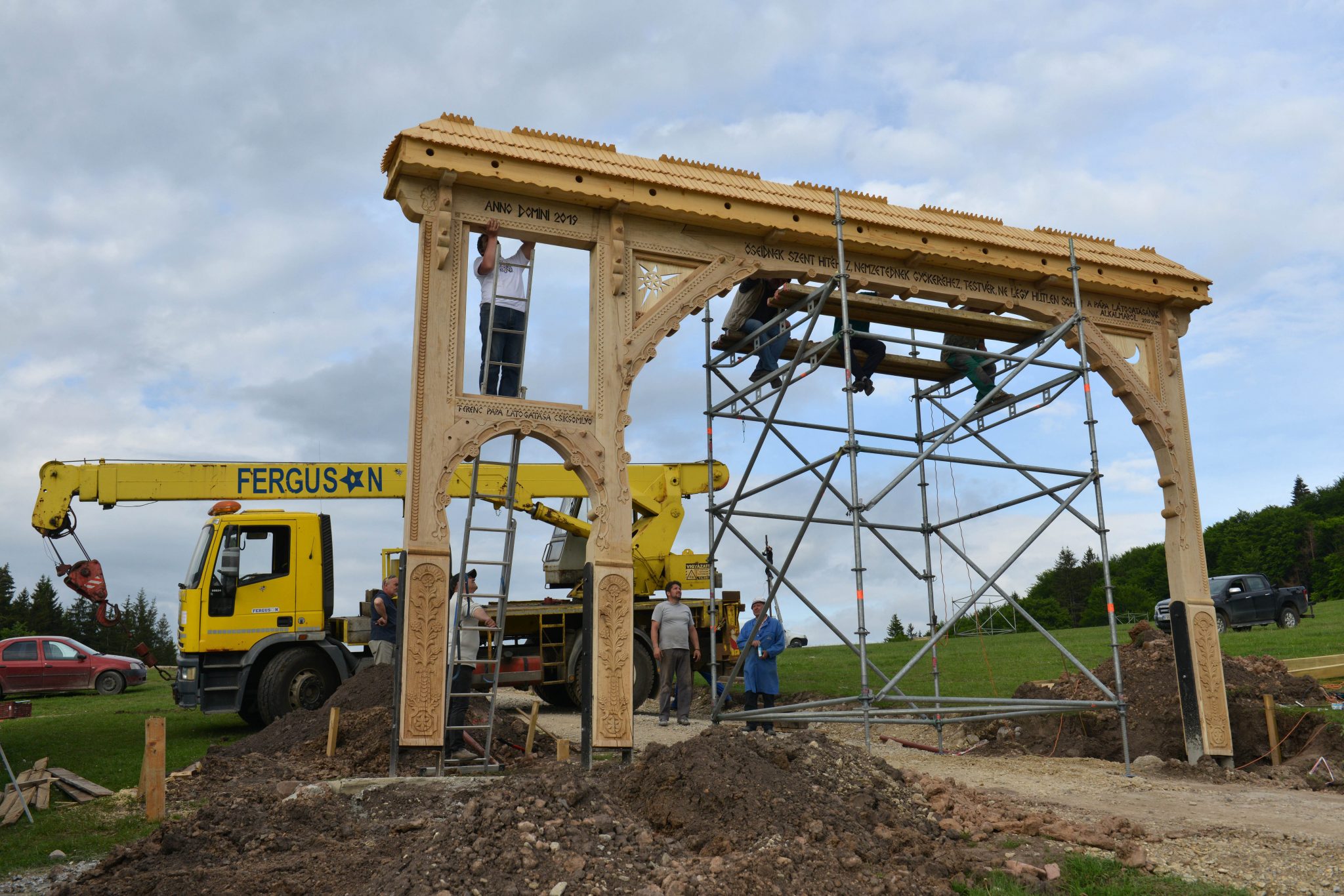
    The inscription of a Székely gate underway in the Csíksomlyó mountains, the venue of the Holy Mass. The Székely Gate was carved by teachers and students from the Géza Vámszer Folk Art School in Zeteváral, in Harghita County, using typical csík motifs. The gate was constructed in 800 hours from oak with pine wood shingle. The gate is 838 centimeters long and its highest point is 533 centimeters.

    Balázs Sajgó, the coordinator of the papal visit at the archdiocese, Miklós Soltész, the Minister of State for Churches, Minorities and Civil Affairs, László Tóth, the Consul General of Csíkszereda, and Erik Urbán, the Governor of the Transylvanian Franciscans, (left to right) in the Csíksomlyó Mountains. The Hármashalom altar and its surroundings were expanded and renewed with the support of the Hungarian government before the papal visit. Over 100,000 people have registered for the Mass, and a pilgrimage train is available from Hungary to the event.

    The liturgical objects used in the Holy Mass in Csíksomlyó this Saturday showcased in St. George Parish in Székelyudvarhely-Szombatfalva.

    The flower carriage accompanying the relic of St. László in Debrecen. The carriage, depicting the figure of the ‘Knight King’, St. László, arrived from Somogyvár to Debrecen. It then continued to Nagyvárad (Oradea) before eventually arriving in Csíksomlyó prior to the Pope’s visit. It will be on display until Pentecost Monday.

    MTI/Czeglédi Zsolt

    Source: hungarytoday.hu

    Reklám
    Tas J Nadas, Esq